

Benefits of Single Origin Coffee Beans: A 2026 Guide
Table of Contents
- What Single Origin Coffee Means
- Single Origin vs Blend Coffee: Key Differences
- How to Identify High Quality Coffee Beans
- Flavor Profile and Sensory Characteristics
- Traceability and Terroir: What Sets Single Origin Apart
- Best Brewing Methods for Single Origin Coffee
- Health Benefits and Antioxidant Content
- Economic Impact: Supporting Farmers Through Direct Trade
Last Updated: August 21, 2026
What Single Origin Coffee Means
Single origin coffee beans come from one specific geographic location, a particular country, region, farm, or micro-lot within a single harvest. Unlike blended coffees that combine beans from multiple origins, single origin coffee preserves the distinct characteristics of where those beans were grown. This transparency in sourcing has become central to how specialty coffee roasters and enthusiasts approach their craft.
Single origin goes beyond simple geography. It's about traceability: knowing which farm produced your coffee, the altitude, processing method, and harvest date. At Timeless Voices Coffee, we emphasize this detail because it directly affects what ends up in your cup. When you purchase single origin beans, you're investing in a specific story: the terroir, the farmer's decisions, and the roaster's interpretation.
What makes single origin compelling is consistency with character. You know what to expect from a particular origin because growing conditions, altitude, and processing methods remain relatively stable year to year. Yet each harvest brings subtle variations in flavor, aroma, and body. This balance between predictability and discovery is why many coffee enthusiasts prefer single origin over blends.
Single Origin vs Blend Coffee: Key Differences
Single origin and blend coffees serve different purposes, and understanding the distinction helps you choose what suits your preferences.
Single origin coffee beans showcase the unique characteristics of one location. The flavor profile reflects terroir, soil, altitude, climate, and farming practices of that specific region. Ethiopian single origins often display floral and fruity notes, while Central American coffees tend toward chocolate and nutty aromatics.
Blended coffees combine beans from multiple origins to achieve a specific flavor goal. A roaster might blend Ethiopian beans for brightness with Brazilian beans for body, creating a balanced cup. Blends offer consistency and complexity that appeals to people seeking a familiar, well-rounded experience.
The key trade-off comes down to transparency versus optimization. Single origin delivers authenticity and origin-specific character. Blends deliver crafted balance, with the roaster intentionally combining origins to hit specific flavor targets. Neither is objectively better; it depends on whether you value origin story and unique sensory notes or prefer a predictable, balanced cup.
For daily drinking, many coffee drinkers rotate between both. A single origin might be your weekend pour-over when you have time to appreciate its nuances. A reliable blend might be your weekday automatic drip coffee.
| Aspect | Single Origin | Blend |
|---|---|---|
| Traceability | Complete, one farm or region | Mixed, multiple sources |
| Flavor Profile | Origin-specific, variable by season | Consistent, roaster-designed |
| Sensory Character | Reflects terroir and altitude | Balanced across components |
| Best For | Specialty brewing, tasting notes | Daily drinking, consistency |
| Price Point | Generally higher | More accessible |
How to Identify High Quality Coffee Beans
Quality matters more than origin alone. A poorly roasted Ethiopian bean won't taste better than a well-roasted one, regardless of its geographic pedigree. Learning to spot quality signals helps you make confident purchasing decisions.
Understanding Bean Appearance and Grading
High-quality single origin coffee beans should be uniform in size and color. Beans that are too light suggest underdevelopment; beans that are too dark might indicate over-roasting. The surface should have minimal visible defects.
Coffee grading uses a standardized system based on bean size and defect count. Specialty-grade coffees (the highest tier) allow only a small number of defects per sample. When you see "specialty-grade single origin" on a label, you know the beans passed strict quality control.
Density matters too. Higher-altitude coffees develop denser beans because they grow more slowly in cooler conditions. Denser beans roast more evenly and extract more complex flavors. This is why many specialty roasters prioritize high-altitude origins.
Roast Profile and Aroma Assessment
The roast profile dramatically changes how single origin coffee beans express themselves. A light roast preserves origin characteristics; you'll taste the terroir more directly. A medium roast balances origin character with roasted flavors. A dark roast emphasizes body and roasted notes, sometimes obscuring origin distinctions.
Smell the beans before brewing. Fresh-roasted coffee has a vibrant, complex aroma. If beans smell flat or musty, they've degraded or were stored poorly. A well-roasted Ethiopian should smell bright and floral; a well-roasted Colombian should smell balanced with chocolate and nutty undertones.
Freshness is critical. Coffee begins losing aromatic compounds within days of roasting. Beans roasted more than 4-6 weeks ago will taste flat (peer-reviewed research). This is why Timeless Voices Coffee roasts to order, you receive beans at peak freshness, ensuring maximum aroma and flavor extraction.
Flavor Profile and Sensory Characteristics
Single origin coffee beans express distinct flavor profiles shaped by altitude, climate, soil composition, and processing method.
Altitude fundamentally shapes flavor. High-altitude coffees (above 5,000 feet) grow slowly, developing complex sugars that create nuanced, acidic flavors (peer-reviewed research). Low-altitude coffees develop faster and tend toward heavier body with less acidity.
Processing method creates dramatic flavor differences. Washed coffees are fermented and cleaned, resulting in cleaner, more acidic profiles that highlight origin character. Natural process coffees are dried whole, allowing the fruit to ferment around the bean, creating fruity, wine-like notes with heavier body. Honey process coffees split the difference, yielding balanced complexity.
The sensory experience involves multiple dimensions: acidity (brightness and liveliness), body (mouthfeel weight), notes (specific flavors like chocolate or berries), aromatics (what you smell), mouthfeel (texture), and aftertaste (lingering flavor).
Tasting single origin coffee intentionally means paying attention to these dimensions. Slow down and notice how the flavor changes as the coffee cools. Does it become more complex or flatten out? These observations help you understand what you enjoy and guide future purchases.
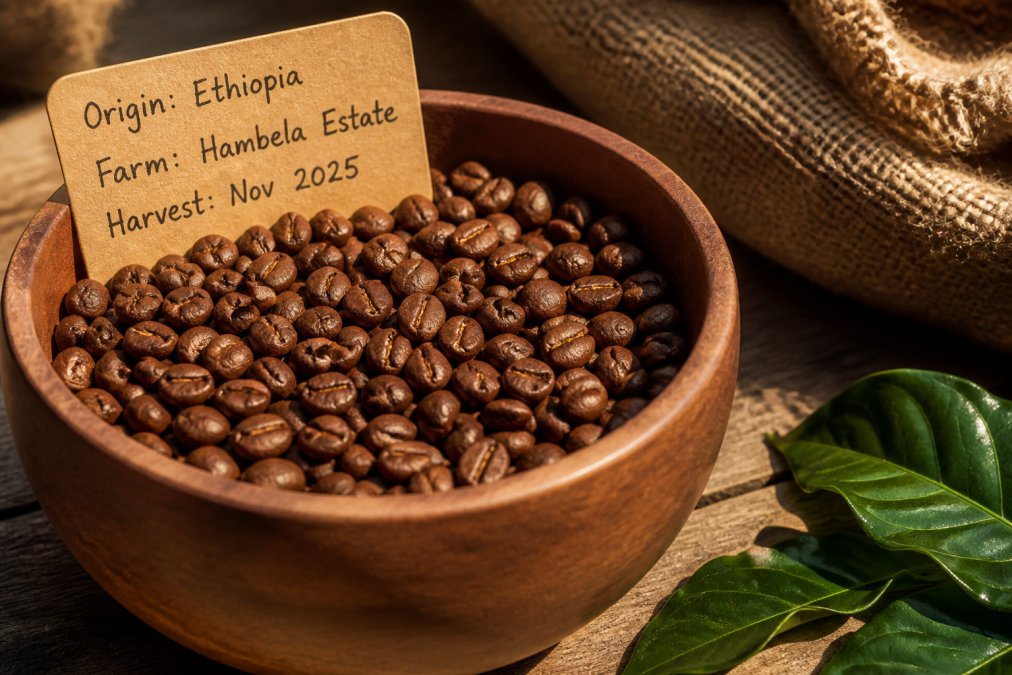
Traceability and Terroir: What Sets Single Origin Apart
Terroir is the complete environment where coffee grows: soil composition, altitude, rainfall, temperature, and sun exposure. This concept explains why the same coffee varietal tastes different depending on where it's grown. Ethiopian Yirgacheffe beans taste distinctly different from Ethiopian beans grown in other regions.
Traceability means you can follow your coffee from cup back to farm. You know which cooperative or estate produced the beans, often which specific lot or harvest. This transparency has transformed coffee from an anonymous commodity into a traceable product with a story. Direct trade relationships between roasters and farmers strengthen this connection.
The supply chain tells you whether you're supporting sustainable practices. Cooperative coffees indicate farmers banded together for better pricing and market access. Certified organic coffees come from farms meeting strict pesticide and fertilizer standards. Fair trade certification ensures farmers received minimum prices. These certifications signal intentionality about how coffee was produced.
Understanding terroir and traceability changes how you value single origin coffee beans. You're supporting specific farming communities and land management practices, which often justifies the higher price point for specialty single origins.
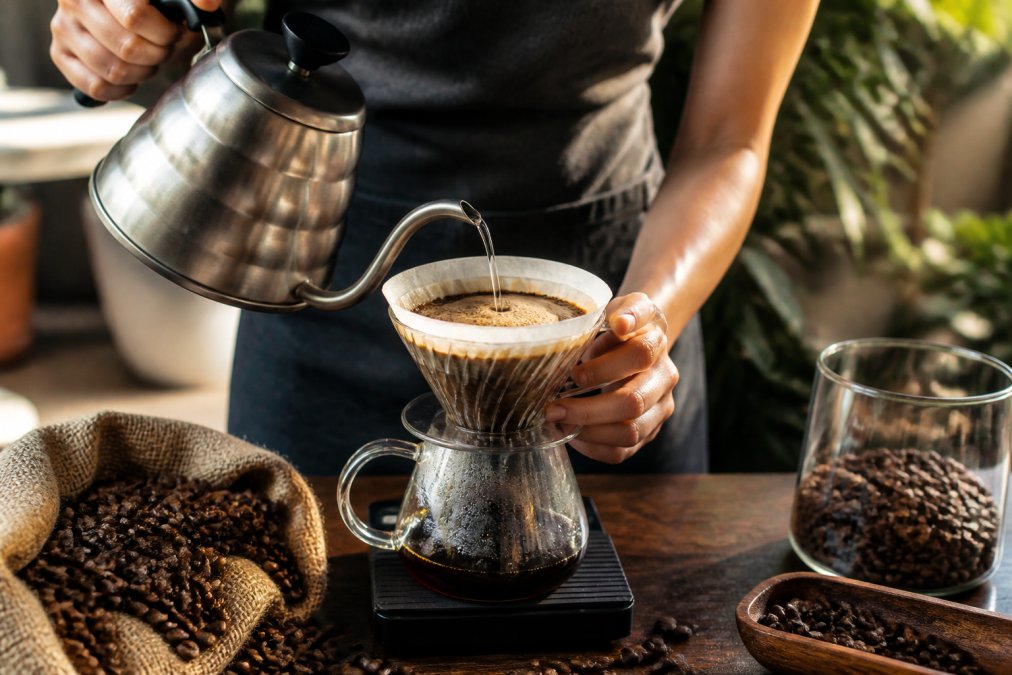
Best Brewing Methods for Single Origin Coffee
Single origin coffee beans deserve brewing methods that highlight their unique characteristics.
Pour Over and Specialty Brewing Techniques
Pour over brewing gives you maximum control over water temperature, contact time, and extraction. This precision allows you to adjust the brew to match the specific coffee. A lighter roast Ethiopian might need slightly hotter water to fully extract its floral and fruity notes.
The pour-over process becomes ritualistic. You're actively engaged in the brewing, controlling water flow and timing. This attention typically results in better extraction than automatic drip coffee makers, showcasing origin character more clearly.
French press brewing creates heavier body and fuller mouthfeel because the metal filter allows more coffee oils through. This method suits darker roasted single origins well. However, immersion brewing can over-extract if left too long.
Espresso concentrates single origin character into a small volume. The high pressure and heat extract quickly, emphasizing body and intensity. Some origins shine as espresso; others become bitter or muddled.
Storage and Freshness Longevity
Proper storage preserves the aromatics and flavors you paid for. Whole beans stay fresher longer than ground coffee. Store beans in an airtight container away from light, heat, and humidity.
Ground coffee begins losing aromatics within minutes of grinding. Grind just before brewing for maximum freshness. The difference is noticeable, fresh-ground single origin coffee tastes noticeably brighter and more complex than ground coffee stored overnight.
Freezing beans extends freshness if done correctly. Vacuum-seal beans before freezing to prevent moisture absorption. However, repeated freezing and thawing damages beans.
Freshness longevity depends on roast date, not purchase date. Beans roasted 2 weeks ago taste better than beans roasted 8 weeks ago. This is why roast date matters more than best-by date. Timeless Voices Coffee includes roast dates on every package so you know exactly how fresh your beans are.
Health Benefits and Antioxidant Content
Coffee contains antioxidants and bioactive compounds that research suggests offer health benefits. Single origin coffee beans may deliver these compounds more effectively because they're closer to their natural state.
Antioxidants help neutralize free radicals in your body. Coffee contains polyphenols and chlorogenic acid, compounds with potential anti-inflammatory properties. Some research suggests regular coffee consumption correlates with reduced risk of certain health conditions, though individual results vary.
The brewing method affects antioxidant extraction. Paper filters remove some beneficial compounds that metal filters allow through. Unfiltered coffee retains more oils and potentially more antioxidants, though it also contains cafestol and kahweol, compounds that may raise cholesterol in some people.
Caffeine content varies by origin and roast. Lighter roasts typically contain slightly more caffeine than darker roasts because the roasting process breaks down some caffeine compounds. Most research suggests 3-5 cups daily falls within safe consumption for most adults (the CDC).
Economic Impact: Supporting Farmers Through Direct Trade
When you purchase single origin coffee beans, your money flows back to the people who grew them. Understanding this economic relationship reveals why single origin often costs more than commodity coffee.
Direct trade relationships eliminate middlemen between farmers and roasters. Farmers receive higher prices, often double or triple commodity prices, because roasters buy directly and pay premiums for quality. This creates incentive for farmers to invest in better growing practices and sustainable land management.
Cooperatives aggregate small farmers' harvests, giving them collective bargaining power. A single farmer might produce only a few bags; a cooperative represents hundreds of farmers. Cooperative coffees often carry a label identifying the specific cooperative, creating transparency about where your money goes.
Farmers earning fair prices can invest in long-term land health rather than maximizing short-term yields. This means better soil management, shade-grown practices that preserve biodiversity, and water conservation. Fair pricing gives farmers the financial security to make long-term investments.
Seasonal income stability affects farming families' lives. Many coffee origins have one harvest season yearly. Fair trade and direct trade pricing helps smooth this income volatility, reducing pressure to over-harvest or use unsustainable practices.
When you choose single origin coffee beans from transparent sources, you're participating in an economic system that values quality, sustainability, and farmer welfare. Farmers who earn fair prices invest in quality, creating a positive feedback loop.
Understanding the benefits of single origin coffee beans transforms how you approach your daily cup. From terroir and traceability to brewing precision and farmer economics, single origin represents a more intentional, transparent approach to coffee. Timeless Voices Coffee specializes in carefully sourced, fresh-roasted single-origin beans from trusted farms worldwide, ensuring maximum flavor and aroma in every cup. Our roast-to-order process means your beans arrive at peak freshness, delivering the smooth, rich experience that makes your morning ritual something to look forward to. Explore our selection of single-origin options and discover how quality sourcing and expert roasting elevate your coffee experience.
Frequently Asked Questions
What does 'single origin' actually mean on a coffee label?
Single origin coffee comes from one specific geographic location, farm, or cooperative, rather than a blend of beans from multiple regions. The label identifies the country, region, or farm where the beans were grown. This traceability allows you to taste the unique characteristics of that specific terroir and growing conditions. Single origin beans offer distinct flavor profiles shaped by altitude, climate, soil, and processing methods unique to that location.
How do single origin vs blend coffee differ in flavor and quality?
Single origin coffee showcases distinct, location-specific tasting notes and aromatics that reflect its terroir. Blends combine beans from multiple origins to create consistent flavor profiles and balance acidity, body, and sweetness. Single origin beans offer uniqueness and complexity but may vary slightly between harvests, while blends prioritize consistency. Quality depends on roast profile and bean grading in both cases, but single origin allows you to experience the pure expression of a specific growing region.
Is single origin coffee really fresher and better tasting than grocery store coffee?
Single origin coffee roasted to order delivers superior freshness compared to mass-market grocery store options, which may have been roasted weeks or months prior. Freshness dramatically affects flavor extraction, aroma, and mouthfeel. When roasted recently, single origin beans showcase their full sensory experience and complex tasting notes. Grocery store coffee often loses aromatics and develops stale flavors over time. The difference becomes noticeable in the first two weeks after roasting, making direct-to-consumer roasting a significant quality advantage.
What health benefits does single origin coffee provide?
Single origin coffee contains antioxidants similar to other coffee varieties, but the specific antioxidant content varies by origin and processing method. Washed coffees typically have different antioxidant profiles than natural or honey process beans. Coffee consumption is associated with various health benefits, though individual results vary. The real advantage of single origin is that you know exactly where your beans come from and how they were processed, allowing you to make informed choices about what you're consuming daily.
How should I store single origin coffee beans to maintain freshness?
Store single origin beans in an airtight container away from direct sunlight, heat, and moisture. Room temperature is ideal; avoid refrigerators or freezers as they introduce condensation. Whole beans stay fresh for 2-4 weeks after roasting, while ground coffee loses freshness within days. Purchase smaller quantities more frequently rather than bulk amounts to ensure maximum freshness. Proper storage preserves the delicate aromatics and flavor notes that make single origin coffee special, so investing in quality storage containers pays dividends in cup quality.
How does terroir affect the taste of single origin coffee?
Terroir encompasses altitude, climate, soil composition, and seasonal conditions that shape how coffee plants develop. Higher altitude regions typically produce beans with brighter acidity and more complex aromatics. Soil mineral content influences flavor notes and body. Temperature fluctuations and rainfall patterns during growing and harvest seasons affect bean density and sugar development. When you taste single origin coffee, you're experiencing the direct result of these environmental factors combined with the farm's specific processing method and harvest timing.
What brewing method brings out the best in single origin beans?
Pour over and specialty brewing methods like AeroPress or French press highlight the unique sensory characteristics of single origin beans better than automatic drip machines. Pour over allows precise temperature and timing control, which extracts the specific tasting notes and aromatics your beans offer. The brewing method should match the bean's processing style: washed coffees often excel with pour over, while natural process beans may shine in immersion brewing. Experiment with grind size, water temperature, and brew time to discover how your specific single origin performs best.
This article was written using GrandRanker