

Best Coffee for Home Office Workers: 2026
Table of Contents
- Best Coffee for Home Office Workers: Quick Comparison
- How to Identify High Quality Coffee Beans
- Medium Roast vs. Dark Roast for Office Environments
- Best Brewing Methods for Remote Workers
- Fresh Roasted Coffee Delivery Options
- Balancing Flavor, Acidity, and Productivity
- Budget-Friendly Professional Coffee Setups
- Conclusion
Last Updated: August 17, 2026
Best Coffee for Home Office Workers: Quick Comparison
Working from home changes your coffee ritual. You're building a sustainable daily practice that fuels focus and manages energy. The best coffee for home office workers isn't about fancy equipment or rare beans, it's about consistent flavor, a brewing method that fits your workflow, and avoiding crashes or jitters.
At Timeless Voices Coffee, we've learned that the right choice depends on three things: how much time you have in the morning, what brewing method fits your desk space, and whether you prioritize convenience or ritual.
This guide covers coffee selections and strategies that work for remote professionals. We'll walk through identifying quality beans, which roast levels keep you sharp without crashes, and practical setup decisions that matter most.
Quick Picks:
- Best Overall: Timeless Voices Coffee, carefully sourced beans roasted to order, wide variety of roasts and origins, reliable delivery
- Best for Variety & Discovery: Trade Coffee, personalized recommendations from 450+ coffees, flexible scheduling
- Best Budget-Friendly: Atlas Coffee Club, affordable single-origin exploration with educational tasting notes
- Best for High-Caffeine Focus: Death Wish Coffee, bold dark roasts engineered for sustained energy
Best Coffee for Home Office Workers: Quick Comparison
The coffee market splits into two camps: convenience-first (instant, pre-ground, subscription boxes) or quality-first (whole bean, specialty roasters, manual brewing). Home office workers need both, beans good enough to justify the ritual, but accessible enough for quick prep.
Timeless Voices Coffee bridges that gap. Their roasted-to-order model ensures freshness, the biggest difference between good coffee and stale coffee. They offer blends, single-origins, and flavored options with fast delivery.
Trade Coffee excels at discovery through personalized algorithms. Atlas Coffee Club makes single-origin exploration affordable. Death Wish targets maximum caffeine punch and bold flavor. Each solves a different problem.
| Coffee Option | Roast Style | Best For | Flavor Profile | Brewing Flexibility |
|---|---|---|---|---|
| Timeless Voices Coffee | Multiple options (light, medium, dark) | Discerning home office workers | Varied by selection | All methods |
| Trade Coffee | Customizable | Flavor exploration | Personalized | All methods |
| Atlas Coffee Club | Single-origin (monthly rotation) | Budget-conscious enthusiasts | Bright, complex notes | All methods |
| Death Wish Coffee | Dark roast dominant | High-caffeine needs | Bold, intense | All methods |
| Blue Bottle Coffee | Light to medium | Freshness-focused buyers | Nuanced, clean | All methods |
| Stumptown Coffee Roasters | Medium roast (popular) | Balanced flavor seekers | Vibrant, smooth | All methods |
How to Identify High Quality Coffee Beans
Quality coffee starts before you brew. Most home office workers default to grocery store beans that sat in warehouses for months. Fresh beans taste alive; stale beans taste flat, bitter, or sour.
Roast date matters most. Look for a roast date on the bag. Beans are best between 5-30 days after roasting. Before day 5, they're still degassing. After day 30, they lose brightness. If the bag doesn't show a roast date, that's a red flag. Timeless Voices Coffee prints theirs clearly because freshness is their model.
Origin and sourcing tell you about flavor potential. Single-origin beans from a specific farm have distinct characteristics. Ethiopian beans taste different from Colombian beans due to altitude, soil, and processing. Blends combine multiple origins for balanced flavor. Single-origins are for exploration; blends are for consistency.
Whole bean vs. pre-ground is non-negotiable. Ground coffee oxidizes within days, losing aromatics. Whole beans stay fresh much longer. A burr grinder (not a blade grinder) costs under $50 and transforms the experience. Burr grinders produce uniform grounds for better extraction.
Color and density. Quality beans are dense and uniform. Dark roasts should be dark brown, not black. Medium roasts should be chocolate brown. Light roasts should be uniform in appearance. Uneven or shriveled beans suggest poor processing.
Roast Level and Flavor Profile
Roast level determines flavor more than origin does. It affects caffeine content, acidity, body, and brewing performance.
Light roasts preserve origin characteristics and have the highest caffeine content. They have higher acidity, which feels bright when fresh. For sustained energy without crashes, light roasts are underrated.
Medium roasts balance origin flavor with roast character. They're smoother than light roasts with less acidity and more body. Medium roasts work in almost any brewing method and appeal to the broadest audience. Stumptown's Hair Bender is the iconic example, a medium roast blend that balances perfectly. For remote work, medium roasts are the safest bet.
Dark roasts emphasize roast character over origin. You taste caramel, chocolate, sometimes smokiness. Dark roasts have lower acidity and fuller body. Counterintuitively, they have less caffeine than light roasts, but they feel more energizing because the heavier body sustains you longer. Death Wish Coffee specializes here, engineering dark roasts for intensity and sustained energy.
For a home office setup, start with medium roast. Once you know whether you prefer brightness or smoothness, move toward light or dark.
Single-Origin vs. Blends
Single-origin coffee comes from one farm or region. Blends combine beans from multiple origins.
Single-origins are the adventurer's choice. Each harvest tastes slightly different depending on weather and processing. They have pronounced flavor notes: floral, fruity, chocolatey. Atlas Coffee Club delivers a new single-origin each month with tasting notes.
Blends are the professional's choice. Roasters combine beans to create consistent flavor profiles. Blends are more forgiving in brewing, if you're slightly off on temperature or time, a well-designed blend still tastes good. For daily work-from-home coffee, blends ensure consistency.
Practical decision: If you're brewing the same coffee every day, a blend ensures consistency. If you like variety, single-origins keep things interesting.
Medium Roast vs. Dark Roast for Office Environments
This decision affects your entire workday.
Medium roast is the default for remote professionals. It delivers balanced flavor, bright enough to taste interesting, smooth enough for multiple cups. Medium roasts have moderate acidity and work in drip coffee, pour-over, French press, and espresso. If you're uncertain about brewing methods, medium roast works everywhere.
Dark roast is for people who want bold, smooth coffee without sharpness. Dark roasts have lower acidity and fuller body, leaning toward chocolate and caramel. They have slightly less caffeine than light roasts, but the heavier body creates sustained energy that prevents mid-afternoon crashes. For home office workers drinking coffee throughout the day, dark roast's sustained profile often wins.
Real difference: Medium roast for flavor complexity and brightness. Dark roast for smoothness and sustained energy.
Best Brewing Methods for Remote Workers
Your brewing method determines how much time coffee takes and how much attention it demands.
Single-Cup vs. Batch Brewing
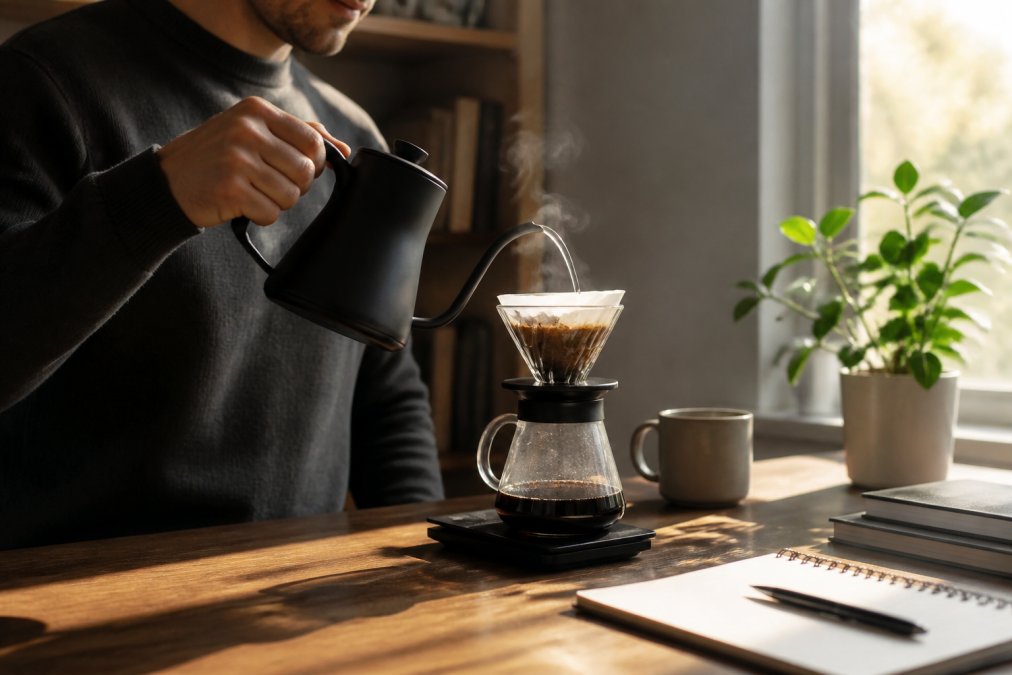
Single-cup brewing (pour-over, AeroPress, Moka pot) takes 3-5 minutes and produces one cup. You control every variable.
Batch brewing (drip machine, French press) takes 5-10 minutes but produces 4-12 cups. You set it up once and have coffee for hours.
For home office work, batch brewing usually wins. You brew once in the morning and have fresh coffee all day. A simple drip machine costs under $30 and requires zero skill.
Single-cup brewing is better if your schedule is irregular or you want to experiment throughout the day.
Practical setup: Batch brewing for consistency, single-cup equipment as backup for afternoons.
Noise Levels and Workflow Integration
Noise matters when you work from home. Burr grinders are loud (30-60 seconds). Blade grinders are slightly quieter but less consistent. Grind before your first meeting or the night before.
Drip machines are quiet. French presses are silent. Pour-overs are silent. Espresso machines are loud and require skill.
Practical decision: For frequent video calls, avoid loud brewing methods during work hours. Use a drip machine or French press in the morning, single-cup brewing in the afternoon.
Fresh Roasted Coffee Delivery Options
Freshness is the biggest quality factor. Delivery services provide beans roasted days before arrival.
Timeless Voices Coffee roasts to order, guaranteeing maximum freshness. They offer blends, single-origins, and flavored options with fast delivery. The variety lets you rotate between profiles.
Trade Coffee offers personalized recommendations from 450+ coffees. You take a quiz, they match you with roasters. Subscriptions start at $16.99 per bag with flexible frequency.
Atlas Coffee Club delivers a different single-origin monthly with tasting notes. Starting at $9 per half-bag plus shipping, it's affordable exploration.
Blue Bottle Coffee ships beans within 3-5 days of roasting. Subscriptions start around $22 per bag with expert curation.
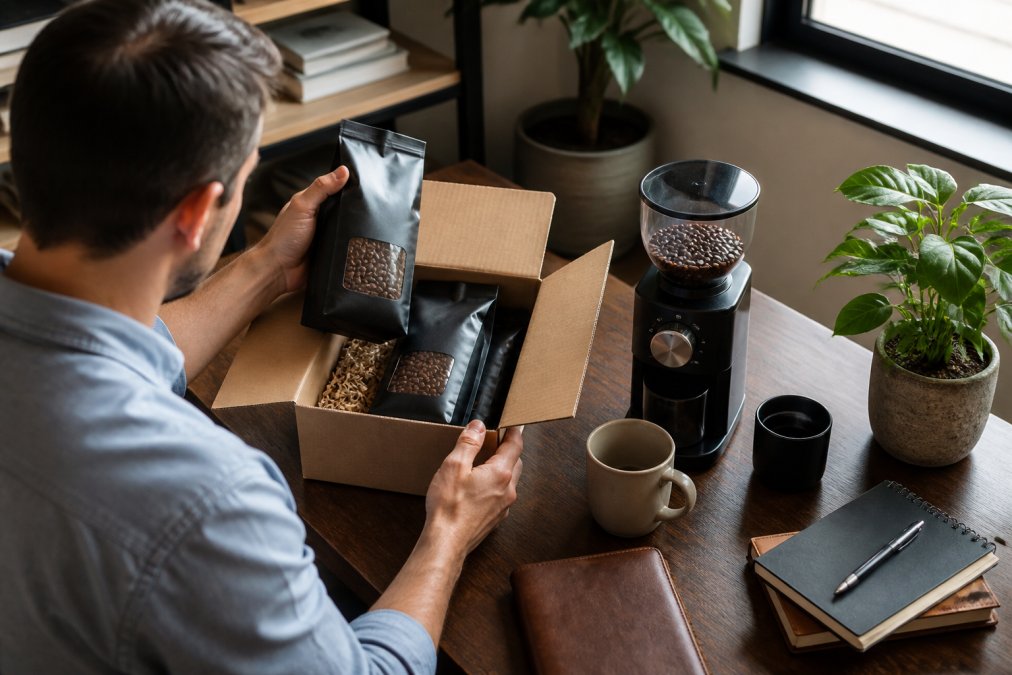
Practical decision: For simplicity and consistent freshness, Timeless Voices Coffee's roasted-to-order model removes variables. For discovery, Trade Coffee or Atlas Coffee Club fit better.
Balancing Flavor, Acidity, and Productivity
You want beans that taste good and support your energy for 8+ hours.
Acidity in coffee is brightness, not bitterness. Light roasts have high acidity (bright). Medium roasts have moderate acidity (clean and balanced). Dark roasts have low acidity (smooth).
For productivity, acidity affects how your body processes caffeine. High-acidity coffees hit faster but crash faster. Low-acidity coffees provide steadier, sustained energy. For a full workday, dark roast's sustained energy is more practical than light roast's brightness.
Flavor complexity also matters. A single-origin with distinct notes keeps your attention. A simple blend tastes consistent but less interesting. For multiple cups daily, complexity prevents coffee from becoming background noise.
Practical balance: Start with a medium roast blend for consistency. Add a single-origin for exploration. Rotate between them, blend on busy mornings, single-origin on slower days.
Budget-Friendly Professional Coffee Setups
You don't need expensive equipment. The essentials are fresh beans, a burr grinder, and a brewing method.
A burr grinder is non-negotiable. A basic model costs $30-50 and transforms quality more than anything else. Skip blade grinders.
A simple drip machine costs under $30 and requires zero skill. It produces 4-12 cups.
A French press costs $20-40 and produces 4-8 cups. It requires slightly more attention but produces excellent coffee and lasts decades.
A pour-over setup costs $15-30 total. It produces one cup and takes 3-4 minutes.
Avoid: espresso machines (expensive, steep learning curve), locked-in long-term subscriptions (inflexible), and grinders over $200 (overkill).
Budget setup: $50 for a burr grinder, $30 for a drip machine, $15 for a cup and filters. Total: $95. Add fresh beans from Timeless Voices Coffee. This setup produces café-quality coffee for less per cup.
The best coffee for home office workers isn't about fancy equipment or rare beans. It's about finding fresh beans that match your flavor preferences, a brewing method that fits your schedule, and consistent supply. Timeless Voices Coffee delivers exactly that, carefully sourced beans roasted to order, a wide variety of blends and single-origins, and fast, reliable delivery. Start with a medium roast blend for consistency, add a burr grinder and drip machine, and you've built a professional coffee ritual that supports your work without complexity.
Frequently Asked Questions
What type of coffee is best for staying focused while working?
Medium roasts and single-origin coffees with balanced acidity work well for sustained focus. Look for beans with a smooth finish and moderate caffeine punch, typically 95-200 mg per 8 oz cup. Avoid over-extracted or overly bitter coffees, which can cause jitteriness. Fresh roasted coffee delivery services ensure you get beans at peak freshness, maximizing both flavor and the mental clarity that comes from a quality brew.
How do I identify high quality coffee beans for my home setup?
Quality beans show consistent color within their roast level, have a visible oil sheen (especially in darker roasts), and smell aromatic with clear notes. Check for a roast date within 2-4 weeks of purchase. Single-origin beans should list the farm or region; blends should describe their sourcing. Whole beans are fresher than pre-ground. Premium roasters provide detailed tasting notes describing flavor profiles like caramel, citrus, or chocolate notes, indicating careful sourcing and roasting control.
What's the best brewing method for a quick office coffee break?
Pour-over and drip coffee makers offer speed with quality extraction, taking 3-5 minutes. French press requires more time but delivers full body and aroma. For the quickest option, consider instant coffee made with 100% Arabica beans, it brews in seconds without sacrificing flavor. Single-serve pod systems are convenient but often less fresh than whole bean. Choose based on your workflow: quiet methods like pour-over work best in shared spaces, while French press suits private offices.
How can I keep my home office coffee fresh throughout the week?
Store whole beans in an airtight container away from light, heat, and moisture, not in the refrigerator or freezer. Grind only what you need immediately before brewing to preserve aroma and flavor. Buy smaller quantities more frequently rather than stockpiling. Fresh roasted coffee delivery services solve this by sending fresh beans regularly on a schedule you control, ensuring you always have beans within their optimal 2-4 week window after roasting.
Is single-origin coffee better for home brewing than blends?
Both have advantages. Single-origin coffees offer distinct flavor profiles and terroir, you taste the specific region's characteristics. Blends are crafted to balance acidity, body, and notes for consistency and broad appeal. For home office work, single-origin beans excel if you enjoy exploring different flavor profiles; blends work better if you prefer a predictable, balanced cup daily. Fresh roasted options in both categories deliver superior freshness compared to grocery store alternatives.
This article was written using GrandRanker