

Best Coffee for Morning Reading Sessions
Table of Contents
- Why Coffee Matters for Your Morning Reading Ritual
- How to Identify High Quality Coffee Beans
- Best Coffee Roast for Focus and Sustained Attention
- Single Origin Coffee Benefits for Morning Reading
-
Top Coffee Recommendations for Morning Reading
- 1. Timeless Voices Coffee: Fresh Roasted to Order
- 2. Lavazza Super Crema: Smooth Espresso Foundation
- 3. Death Wish Coffee: Maximum Caffeine for Deep Focus
- 4. Intelligentsia Coffee: Artisanal Single Origins
- 5. Blue Bottle Coffee: Bright and Balanced Flavors
- 6. Peet's Coffee: Bold and Full-Bodied Classics
- 7. La Colombe Coffee: Ethically Sourced Excellence
- Brewing Methods That Enhance Your Reading Experience
- How to Avoid the Mid-Reading Caffeine Crash
- Coffee Ritual as a Mindfulness Trigger
Last Updated: August 27, 2026
Why Coffee Matters for Your Morning Reading Ritual
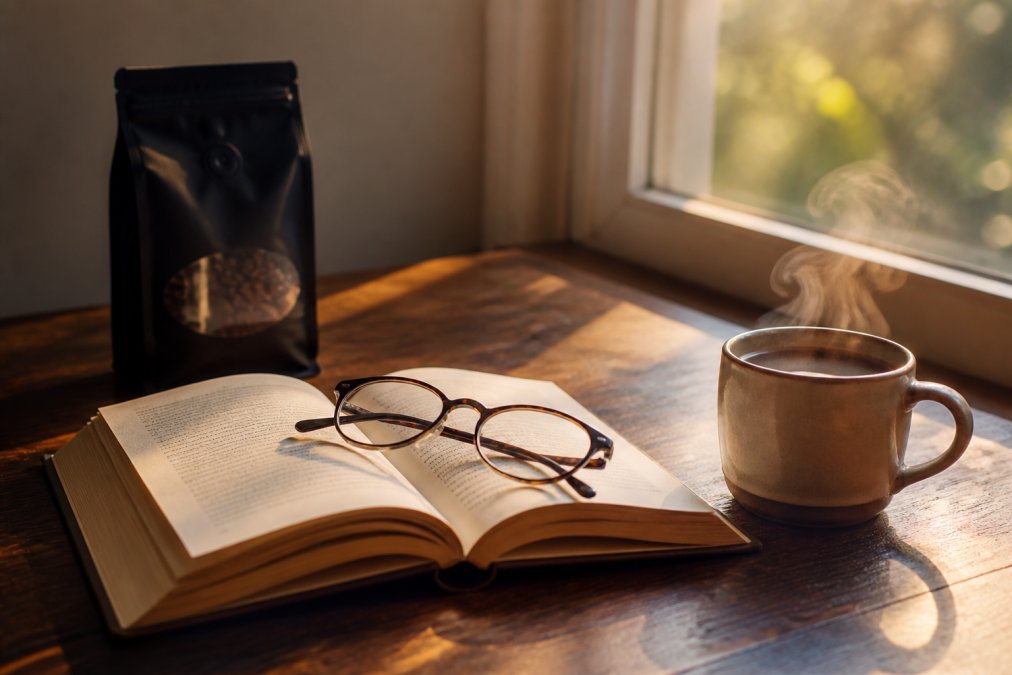
The right cup of coffee transforms a quiet morning into something intentional. It's not just caffeine, it's the ritual, the aroma, the warmth of the mug in your hands as you settle into a book. For morning reading sessions, you need a coffee that sustains focus without jitters, offers enough complexity to reward attention, and tastes good enough to make the ritual feel intentional.
How to Identify High Quality Coffee Beans
High-quality coffee beans share specific characteristics. First, check the roast date, not just a "best by" date. Coffee loses aromatic compounds within days of roasting, so beans roasted within the last two weeks are ideal (peer-reviewed research).
Second, look for bean origin and traceability. Quality producers identify the specific farm, region, or cooperative. A coffee labeled "Fazenda Boa Vista, Minas Gerais, 1,200m elevation, natural process" tells you exactly what to expect. Single-origin coffees deliver more distinctive flavor profiles than generic blends.
Third, consider roast level appropriateness. Light roasts preserve origin characteristics and acidity. Medium roasts balance origin flavors with roasted notes like chocolate or caramel. Dark roasts emphasize body and boldness. For morning reading, choose a roast matching your flavor preference and desired caffeine profile.
Finally, check for certifications that matter to you: Fair Trade indicates ethical sourcing, USDA Organic means no synthetic pesticides, and direct trade relationships mean premium farmer compensation.
Best Coffee Roast for Focus and Sustained Attention
Light roasts contain slightly more caffeine and deliver faster caffeine onset with a pronounced initial boost (the FDA). The bright acidity helps sustain mental clarity through longer reading sessions.
Medium roasts offer balance, preserving enough origin character to be interesting while developing comforting roasted notes. The caffeine sits between light and dark, and the sensory experience feels balanced without jitters or heaviness.
Dark roasts create fuller body and deeper flavor. They contain less caffeine but release it more gradually, creating sustained energy without crashes. If you're sensitive to caffeine, dark roasts often work better than light roasts.
Match the roast to your personal caffeine response and flavor preferences. The best coffee keeps you alert without anxiety and tastes good enough to drink slowly.
Single Origin Coffee Benefits for Morning Reading
Single-origin coffees tell a story. When you know a coffee comes from a specific farm in Ethiopia's Yirgacheffe region or a Colombian cooperative, you're engaging with place, altitude, processing method, and farmer expertise.
Single-origin beans have more pronounced flavor profiles than blends. You might taste blueberry and jasmine in an Ethiopian natural-process coffee, or chocolate and nuts in a Colombian washed-process bean. These distinctive flavors give your palate something to engage with between chapters.
The consistency of single-origin coffees also matters. Once you find one you love, you can order it regularly and know exactly what to expect. For exploration, try Ethiopian naturals one month, Kenyan washed-process the next, Colombian microlot the month after. Each offers distinct flavor profiles and caffeine characteristics.
Timeless Voices Coffee specializes in single-origin selections, roasting beans to order from trusted farms worldwide. This ensures maximum freshness and lets you explore origins matching your preferences.
Top Coffee Recommendations for Morning Reading
1. Timeless Voices Coffee: Fresh Roasted to Order
Timeless Voices Coffee roasts every bag to order from beans sourced directly from trusted farms worldwide. When coffee is roasted to order, you receive it at peak freshness. The aromatic compounds that make coffee taste alive are still developing when your coffee arrives.
The variety available lets you match your coffee to your reading mood. Their selection includes bold blends for consistent energy, bright single-origins for nuance and complexity, and flavored options for sweeter notes. Delivery is fast and reliable.
Pros:
- Beans roasted to order ensure maximum freshness
- Wide variety of blends, flavored, and single-origin options
- Sourced from trusted farms worldwide
- Fast, reliable delivery
Cons:
- Premium quality comes with pricing that depends on quantity, dates, and delivery. Please check the Timeless Voices Coffee website for current prices.
2. Lavazza Super Crema: Smooth Espresso Foundation
Lavazza Super Crema is a medium roast blend built for espresso machines. The blend combines 80% Arabica with 20% Robusta beans, creating a full-bodied coffee with notes of roasted hazelnut and brown sugar. What makes Super Crema appealing for morning reading is its approachability and consistency across batches. A 2.2 lb bag of Lavazza Super Crema whole bean coffee can be found for around $27.49 to $33.89. A 32 oz bag of ground coffee is available for about $22.98.
Pros:
- Consistently thick, golden crema for espresso brewing
- Smooth, approachable flavor with low acidity
- Reliable quality across batches
- Good value for a quality whole-bean espresso blend
Cons:
- May lack complexity that single-origin enthusiasts seek
- Not ideal for exploring distinctive flavor profiles
3. Death Wish Coffee: Maximum Caffeine for Deep Focus
Death Wish Coffee is positioned for readers needing serious caffeine for sustained focus sessions. Beans are sourced from high-altitude regions and roasted dark to concentrate caffeine content. It's USDA Organic and Fair Trade certified. The appeal is straightforward: if you're settling in for a 3-hour reading marathon and need consistent, powerful energy without crashing, Death Wish delivers. A 10 oz bag of Death Wish Coffee's organic and fair trade dark roast ground coffee costs around $14.29.
Pros:
- Extremely high caffeine content for maximum alertness
- USDA Organic and Fair Trade certified
- Smooth flavor despite high strength
- Reliable for sustained energy during long reading sessions
Cons:
- High caffeine may cause jitters or anxiety for sensitive readers
- Bold flavor profile may overwhelm those seeking nuance
4. Intelligentsia Coffee: Artisanal Single Origins
Intelligentsia Coffee represents third-wave coffee through direct trade sourcing, single-origin focus, and artisanal roasting. Their direct trade model means the roaster works directly with farmers, often paying premium prices for quality beans. For readers exploring coffee as part of their morning ritual, Intelligentsia offers genuine variety with distinctive, high-quality flavor profiles. A 12 oz bag of Intelligentsia Black Cat Analog Espresso whole bean coffee is priced at about $17.50. A 12 oz bag of their House Blend whole bean coffee can be found for around $14.56.
Pros:
- Exceptional quality through direct trade sourcing
- Wide range of distinct single-origin options
- Subscription service offers convenience and freshness
- Strong ethical sourcing practices
Cons:
- Higher price point than conventional brands
- Some unique flavor profiles may not appeal to all palates
- Limited availability of specific single-origins
5. Blue Bottle Coffee: Bright and Balanced Flavors
Blue Bottle Coffee emphasizes freshness and the unique characteristics of each bean. They roast to order in many cases, ensuring maximum flavor preservation. Their range includes single-origins and blends with a reputation for bright, clean flavor profiles ideal for morning reading. A 12 oz bag of Blue Bottle Coffee's organic bright whole bean coffee is available for about $14.48. A 12 oz drip coffee at Blue Bottle locations in the U.S. is about $6.
Pros:
- Emphasis on fresh roasting and careful sourcing
- High-quality, nuanced flavor profiles
- Range of options from bright to balanced
- Clean, refined sensory experience
Cons:
- Can be expensive compared to mainstream brands
- Limited flavored options
- May taste too subtle for readers seeking bold coffee
6. Peet's Coffee: Bold and Full-Bodied Classics
Peet's Coffee is known for deep roasting and bold, full-bodied flavors. Their signature blends have been consistent bestsellers for decades and are widely available in whole bean, ground, K-Cup pods, and espresso capsules. For readers wanting reliable, strong coffee without complexity or surprises, Peet's is a solid choice. A 16 oz bag of Peet's Big Bang Medium Roast coffee is priced at $21.95. A 10.5 oz bag of Peet's Major Dickason's Blend Dark Roast whole bean coffee costs around $12.49 to $16.99.
Pros:
- Consistent quality and bold, reliable flavor profiles
- Wide availability in multiple formats
- Subscription options for convenience
- Satisfying full body for extended reading sessions
Cons:
- Deep roast masks origin characteristics and nuance
- Less complexity than specialty third-wave options
7. La Colombe Coffee: Ethically Sourced Excellence
La Colombe Coffee Roasters focuses on ethical sourcing and expert roasting, offering blends, single-origins, and ready-to-drink options. The company's commitment to partnerships with growers means beans are sourced responsibly with high-quality, well-balanced flavor profiles. A 12 oz bag of La Colombe Whole Bean Coffee - Nizza is available for $14.79. A 12-pack of 9 fl oz Draft Latte cans can be found for about $23.49.
Pros:
- Strong commitment to ethical sourcing and sustainability
- Wide range of coffee types and convenient formats
- Consistent quality and well-balanced flavor profiles
- Subscription options available
Cons:
- More expensive than conventional brands
- Ready-to-drink options may contain added sugars
- Less distinctive than some specialty single-origin roasters
Brewing Methods That Enhance Your Reading Experience
Pour-over brewing creates a deliberate, meditative process where you control water temperature, pour speed, and extraction time. This hands-on engagement deepens your connection to the morning ritual and produces a cleaner cup with brighter acidity.
French press creates a fuller-bodied cup with more oils and sediment, resulting in a heavier, more substantial mouthfeel. The process is simple, steep and press, requiring less attention and more time to settle into your book.
Espresso-based brewing concentrates flavors into a smaller volume with higher intensity and faster caffeine hit. For readers wanting quick, powerful coffee before diving into their book, espresso works well.
Immersion brewing methods like cold brew create smooth, less acidic coffee that develops slowly. If you're brewing the night before, you can simply pour and drink in the morning with minimal ritual and maximum convenience.
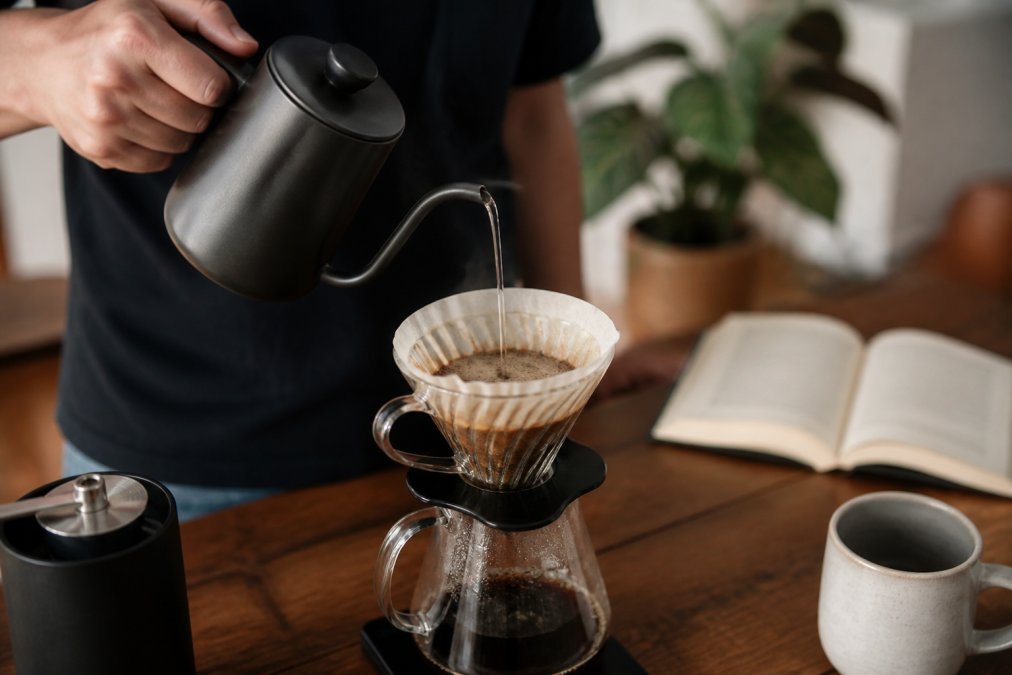
The best brewing method is the one you'll actually use consistently. If you hate fussing with equipment in the morning, a simple immersion method or automatic drip maker serves you better than a precise pour-over. If the ritual itself is part of what makes your reading time intentional, a hands-on method rewards that attention.
How to Avoid the Mid-Reading Caffeine Crash
The mid-reading caffeine crash happens because caffeine hits your bloodstream quickly, peaks, and then drops fast. To avoid the crash, consider roast level. Medium and dark roasts release caffeine more gradually, creating a flatter energy curve.
Second, eat something with your coffee. Caffeine on an empty stomach hits harder and crashes faster. Pairing your coffee with a small breakfast slows caffeine absorption and creates sustained energy.
Third, time your coffee appropriately. Caffeine takes 15-20 minutes to reach peak levels. Experiment with timing to see what works for your reading rhythm. Consider a second, smaller cup mid-session rather than one large cup at the start.
Coffee Ritual as a Mindfulness Trigger
The most underrated aspect of choosing the best coffee for morning reading sessions is how the ritual itself shapes your mental state. When you take time to brew your coffee intentionally, you're signaling to your brain that this time is different. This is reading time. This is focus time.
The sensory elements matter. The sound of water heating, the aroma of coffee grounds, the warmth of the mug in your hands create a multisensory anchor that helps you transition into a reading mindset. Over time, this ritual becomes a trigger. The moment you smell your coffee brewing, your brain starts shifting into focus mode.
A coffee you genuinely enjoy creates a more powerful ritual than one you're merely consuming for its stimulant effect. For readers using coffee as a mindfulness tool, a hands-on method like pour-over or French press creates more ritual engagement than an automatic drip maker.
The consistency of your ritual deepens its power. Using the same coffee, the same brewing method, at the same time each morning creates a predictable anchor. Your body and brain learn to expect this pattern, and the ritual becomes more effective at triggering focus. Once you've found your ideal coffee and method, you can build a ritual around it that serves your reading practice for years.
Finding the best coffee for morning reading sessions comes down to matching three elements: a coffee that tastes good enough to savor, a caffeine profile that sustains your focus without crashing, and a brewing ritual that feels intentional rather than rushed. Timeless Voices Coffee delivers on all three through fresh-roasted, carefully sourced beans and a wide variety of options that let you explore and find what works for your reading practice. Whether you prefer bright single-origins, bold blends, or something in between, the right coffee transforms your morning reading from a routine into a ritual worth protecting.
Comparison Table: Coffee Options for Morning Reading
| Coffee | Best For | Flavor Profile | Caffeine Level | Roast Style |
|---|---|---|---|---|
| Timeless Voices Coffee | Exploration and freshness | Varies by selection | Medium | Medium to Dark |
| Lavazza Super Crema | Espresso consistency | Hazelnut, brown sugar | Medium | Medium |
| Death Wish Coffee | Maximum sustained focus | Bold, smooth | Very High | Dark |
| Intelligentsia Coffee | Flavor complexity | Distinctive, origin-driven | Medium | Light to Medium |
| Blue Bottle Coffee | Balanced, nuanced experience | Bright, clean | Medium | Light to Medium |
| Peet's Coffee | Reliable boldness | Rich, dark | Medium-High | Dark |
| La Colombe Coffee | Ethical sourcing priority | Well-balanced | Medium | Medium |
=== FAQ ANSWERS (audit these too, same rules) ===
[1] Q: What type of coffee is best for morning reading sessions? A: Medium to dark roasts work best for morning reading because they provide sustained caffeine onset and bold flavor without overwhelming acidity. Single-origin coffees offer distinct tasting notes that enhance the sensory experience, while blends deliver consistency. Choose based on your caffeine sensitivity and flavor preference, lighter roasts provide more caffeine and brightness, while darker roasts offer deeper body and smoother extraction. Fresh-roasted coffee delivers maximum aroma and flavor, making your reading ritual more immersive.
[2] Q: How do I identify high quality coffee beans for my morning routine? A: Look for whole beans with uniform color and size, indicating consistent roasting. High-quality beans should have a strong aroma without any musty or stale smell. Check the roast date, beans roasted within 2-4 weeks are optimal for flavor and freshness. Single-origin coffees should list their bean origin, altitude, and processing method. Avoid beans with visible defects or excessive oil residue. Specialty coffee companies that roast to order ensure maximum freshness and preserve the coffee's natural flavor profile and sensory characteristics.
[3] Q: Can coffee really improve reading comprehension and focus? A: Yes. Caffeine enhances cognitive performance by increasing alertness and mental clarity, helping sustain focus during long reading sessions. The caffeine onset typically occurs within 15-30 minutes, with peak effects lasting 2-3 hours. However, caffeine sensitivity varies by individual. Pairing coffee with reading creates a powerful ritual that signals to your brain it's time to concentrate. The sensory experience of aroma and flavor also engages your senses, deepening engagement with the text. Avoid excessive caffeine to prevent the mid-reading crash.
[4] Q: What are the benefits of single origin coffee for morning reading? A: Single-origin coffees offer distinct tasting notes and flavor profiles tied to their specific bean origin, altitude, and processing method. These unique characteristics create a more engaging sensory experience that complements reading. Single-origin beans typically have more complexity and nuance than blends, making each cup more memorable. The consistent flavor profile from the same farm or region helps establish a reliable morning ritual. Direct trade sourcing for many single-origin coffees also ensures ethical practices and higher quality bean selection, supporting your values while enhancing your reading experience.
[5] Q: How long does caffeine take to work, and how can I avoid the afternoon crash? A: Caffeine onset occurs within 15-30 minutes of consumption, with peak effects at 45-60 minutes. The stimulant effect lasts 3-5 hours depending on metabolism and individual sensitivity. To avoid the mid-reading caffeine crash, drink coffee early in your reading session rather than midway through. Pair your coffee with food to slow caffeine absorption and provide sustained energy. Avoid excessive caffeine intake, a single quality cup provides optimal cognitive performance without jitters. Consider switching to decaf or lower-caffeine alternatives for afternoon reading sessions to maintain consistent focus throughout your day.
Frequently Asked Questions
What type of coffee is best for morning reading sessions?
Medium to dark roasts work best for morning reading because they provide sustained caffeine onset and bold flavor without overwhelming acidity. Single-origin coffees offer distinct tasting notes that enhance the sensory experience, while blends deliver consistency. Choose based on your caffeine sensitivity and flavor preference, lighter roasts provide more caffeine and brightness, while darker roasts offer deeper body and smoother extraction. Fresh-roasted coffee delivers maximum aroma and flavor, making your reading ritual more immersive.
How do I identify high quality coffee beans for my morning routine?
Look for whole beans with uniform color and size, indicating consistent roasting. High-quality beans should have a strong aroma without any musty or stale smell. Check the roast date, beans roasted within 2-4 weeks are optimal for flavor and freshness. Single-origin coffees should list their bean origin, altitude, and processing method. Avoid beans with visible defects or excessive oil residue. Specialty coffee companies that roast to order ensure maximum freshness and preserve the coffee's natural flavor profile and sensory characteristics.
Can coffee really improve reading comprehension and focus?
Yes. Caffeine enhances cognitive performance by increasing alertness and mental clarity, helping sustain focus during long reading sessions. The caffeine onset typically occurs within 15-30 minutes, with peak effects lasting 2-3 hours. However, caffeine sensitivity varies by individual. Pairing coffee with reading creates a powerful ritual that signals to your brain it's time to concentrate. The sensory experience of aroma and flavor also engages your senses, deepening engagement with the text. Avoid excessive caffeine to prevent the mid-reading crash.
What are the benefits of single origin coffee for morning reading?
Single-origin coffees offer distinct tasting notes and flavor profiles tied to their specific bean origin, altitude, and processing method. These unique characteristics create a more engaging sensory experience that complements reading. Single-origin beans typically have more complexity and nuance than blends, making each cup more memorable. The consistent flavor profile from the same farm or region helps establish a reliable morning ritual. Direct trade sourcing for many single-origin coffees also ensures ethical practices and higher quality bean selection, supporting your values while enhancing your reading experience.
How long does caffeine take to work, and how can I avoid the afternoon crash?
Caffeine onset occurs within 15-30 minutes of consumption, with peak effects at 45-60 minutes. The stimulant effect lasts 3-5 hours depending on metabolism and individual sensitivity. To avoid the mid-reading caffeine crash, drink coffee early in your reading session rather than midway through. Pair your coffee with food to slow caffeine absorption and provide sustained energy. Avoid excessive caffeine intake, a single quality cup provides optimal cognitive performance without jitters. Consider switching to decaf or lower-caffeine alternatives for afternoon reading sessions to maintain consistent focus throughout your day.
This article was written using GrandRanker