

Best Coffee Subscription for Home Office (2026)
Table of Contents
- How We Evaluated the Best Coffee Subscriptions for Home Office Use
- Quick Comparison: Top Coffee Subscriptions for Home Office Workers
- Best Coffee Beans for Home Brewing: Subscriptions Ranked by Roast Style
- Best Coffee Brewing Methods for Remote Workers
- How Often Should You Get Coffee Delivered to Your Home Office?
- Caffeine Management and Productivity for Remote Workers
- How to Choose the Right Coffee Subscription for Your Home Office
- Conclusion
Last Updated: August 10, 2026
Remote work has fundamentally changed how people consume coffee. What used to be a quick office break room stop is now a full ritual shaping your morning focus and afternoon recovery. At Timeless Voices Coffee, we've spent considerable time understanding what home office workers actually need from a coffee subscription, and the answer is more nuanced than most guides acknowledge.
The best coffee subscription for home office workers isn't just about great beans. It's about freshness that survives delivery gaps, roast profiles matching your brewing equipment, and a delivery cadence that prevents running out mid-week. Below, we cover what most guides skip: how to match your subscription to your workflow, equipment, and caffeine strategy.
How We Evaluated the Best Coffee Subscriptions for Home Office Use
Home office workers need consistency, freshness, and flexibility. Our evaluation focused on five factors:
- Freshness guarantee: Does the roaster ship within days of roasting?
- Roast variety: Can you access light, medium, dark, and espresso roasts without switching providers?
- Delivery flexibility: Can you adjust shipping cadence without penalties?
- Equipment compatibility: Do they offer whole bean and multiple grind sizes?
- Sourcing transparency: Is there genuine information about processing method, origin, and fair trade status?
We weighted the home office context specifically: bulk ordering for heavy drinkers, subscription pause features for travel, and detailed flavor profiles for informed choices. One critical distinction most guides ignore: shelf life. A subscription arriving every two weeks is only useful if coffee stays fresh that long. Roasted-to-order services with proper degassing packaging consistently outperform pre-roasted stock on this metric.
Quick Comparison: Top Coffee Subscriptions for Home Office Workers
Here's how the top subscriptions stack up across criteria that matter most for remote professionals.
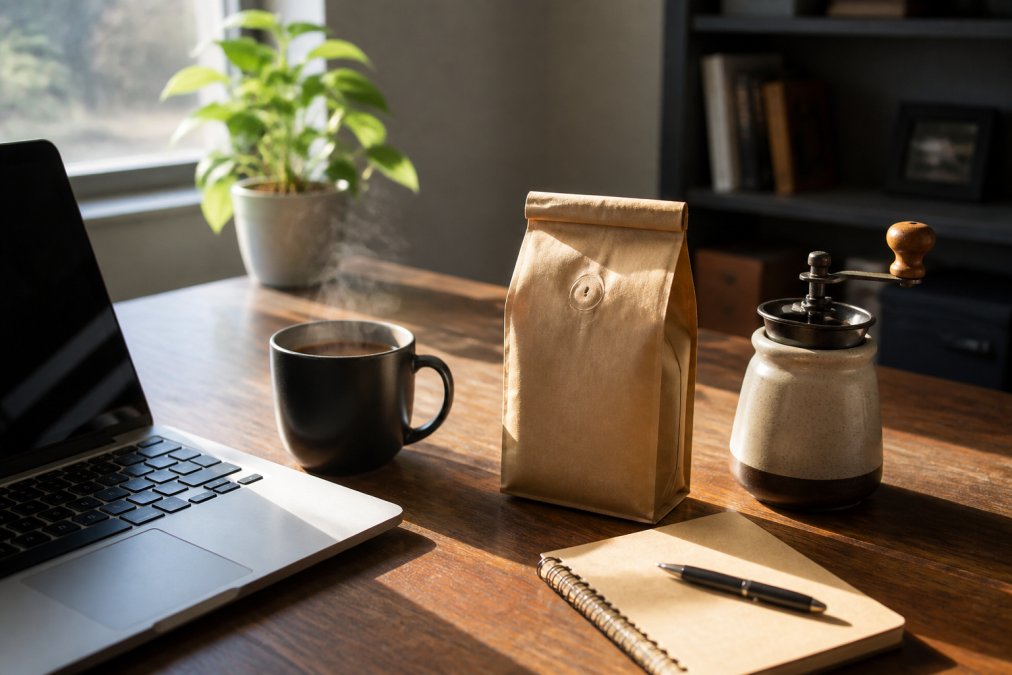
| Subscription | Best For | Roast Options | Whole Bean | Grind Available | Delivery Flexibility |
|---|---|---|---|---|---|
| Timeless Voices Coffee | Overall freshness and variety | Light, medium, dark, flavored, blends | Yes | Yes | Flexible |
| Trade Coffee | Personalized discovery | All roast levels | Yes | Yes | Weekly to monthly |
| Atlas Coffee Club | Global single-origin | Varies by origin | Yes | Yes | Every 2 or 4 weeks |
| Angel's Cup | Blind tasting and palate training | Single-origin variety | Yes | No | Monthly |
| Bean Box | US small-batch roasters | Light to dark | Yes | Yes | Flexible |
| Driftaway Coffee | Personalized flavor profiles | Single-origin | Yes | No (whole bean only) | Flexible |
Pricing varies considerably across options. For Timeless Voices Coffee, visit the website directly for current rates based on quantity and variety. Other providers' pricing is included in each section below.
Best Coffee Beans for Home Brewing: Subscriptions Ranked by Roast Style
Your roast profile preference shapes everything else. A light roast drinker and dark roast drinker have nearly nothing in common in terms of acidity, body, mouthfeel, and brewing methods.
1. Timeless Voices Coffee, Best for Roasted-to-Order Freshness
Timeless Voices Coffee solves the fundamental problem with coffee subscriptions: the gap between roasting and drinking. Coffee loses peak flavor within two to four weeks of roasting, yet pre-packaged boxes often ship beans already weeks old.
Timeless Voices Coffee roasts beans to order from carefully sourced farms worldwide, meaning your coffee was roasted specifically for your shipment. The aroma difference is immediate, particularly for single-origin coffees where tasting notes are most volatile and affected by staleness.
The variety is genuinely broad: blends, flavored options, single-origin selections, and sample packs for exploring different roast profiles without full commitments. For home office workers wanting both reliable daily coffee and occasional exploration, that range matters.
Pros:
- Roasted to order for maximum freshness
- Wide variety including blends, single-origin, and flavored options
- Carefully sourced beans from trusted farms worldwide
- Fast, reliable delivery suited to home office schedules
Cons:
- Pricing details require a website visit for current rates
2. Best for Personalized Variety and Roaster Discovery
Trade Coffee connects subscribers with over 450 coffees from dozens of US roasters through a personalized recommendation engine. You complete a coffee quiz covering roast level, brewing method, flavor preferences, and grind size, and the algorithm matches you with coffees from their network.
For home office workers, the recommendations improve over time as you rate coffees. Starting price for a standard 10.93 oz bag in the Classics tier is $16.99. Delivery can be weekly, bi-weekly, or monthly, providing genuine flexibility.
Pros:
- Recommendation algorithm that improves with ratings
- Flexible grind type, roast level, and delivery frequency
- Access to a wide network of US roasters
Cons:
- Volume of options can feel overwhelming initially
- Costs more per pound than grocery store alternatives
3. Best for Global Single-Origin Exploration
Atlas Coffee Club features a single-origin coffee per shipment with detailed information about origin, processing method, and expected flavor profile. Understanding why an Ethiopian natural process tastes different from a Colombian washed process is structured through this model.
Pricing starts at $9 per month for a half bag plus $4.95 shipping. Delivery runs every two or four weeks. The limitation is one coffee per shipment, which works for adventurous drinkers but frustrates those wanting variety within a single delivery.
Pros:
- Excellent for discovering unique coffees from around the world
- Informative packaging covering origin, processing method, and tasting notes
- Sustainably sourced beans
Cons:
- One coffee per month limits variety for picky drinkers
- Shipping fee applies to all orders
4. Best for Blind Tasting and Palate Development
Angel's Cup is the most educational option. Subscribers receive blind samples of single-origin coffees with a mobile app for recording tasting notes and comparing assessments against roastmaster notes. It's structured like a formal cupping flight.
This suits home office workers who drink coffee seriously and want to sharpen their ability to identify acidity, body, aftertaste, and specific flavor notes. Starting price is $10.99 per shipment for four 1.15 oz samples.
Pros:
- Unique blind tasting format builds genuine palate skills
- App-based tasting notes and roastmaster comparisons
- Exposure to a wide variety of single-origin coffees
Cons:
- Sample sizes too small for daily brewing needs
- Better as a supplement than a primary subscription
5. Best for Small-Batch US Roasters
Bean Box curates selections from independent coffee roasters across the United States, focusing on specialty roasters producing small-batch, locally roasted beans. Subscription options range from sampler boxes to full-bag deliveries with customizable grind type, roast level, and delivery frequency. Starting price is $20 per month for one 12 oz bag.
Pros:
- Excellent for discovering new US roasters and blends
- High-quality, fresh-roasted coffee
- Flexible subscription options with membership perks
Cons:
- Sampler quantities are small for heavy drinkers
- Costs more per pound than bulk alternatives
Best Coffee Brewing Methods for Remote Workers
Your brewing method determines which subscription actually serves you well. This is the part most guides skip, yet it's crucial.
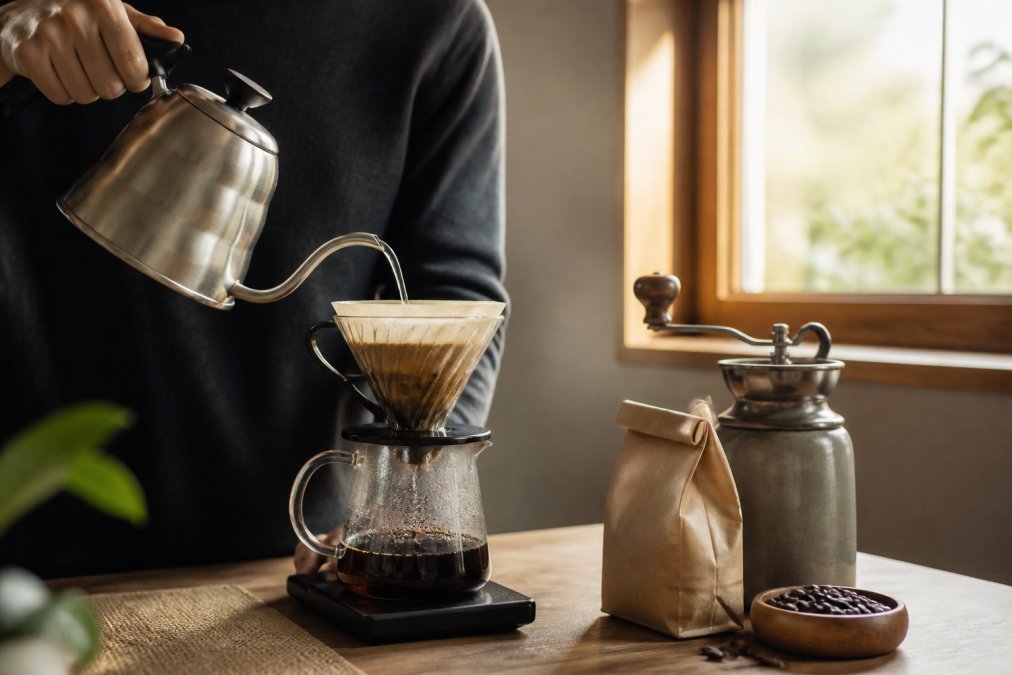
According to National Coffee Association brewing guides, the brewing method affects extraction rate, flavor clarity, and caffeine concentration more than almost any other variable.
Matching Your Brewing Setup to Your Subscription
| Brewing Method | Best Roast Match | Grind Size | Subscription Fit |
|---|---|---|---|
| Pour-over | Light to medium roast | Medium-fine | Single-origin subscriptions |
| French press | Medium to dark roast | Coarse | Blend or dark roast subscriptions |
| Espresso machine | Espresso or dark roast | Fine | Roasted-to-order for freshness |
| Drip machine | Medium roast | Medium | Any flexible subscription |
| AeroPress | Any roast | Variable | Sampler or variety subscriptions |
Espresso machines are unforgiving of stale beans, pressurized extraction amplifies off-notes from aging coffee far more than pour-over. If you pull espresso shots at home, a roasted-to-order subscription is not optional.
For drip machine users, roast profile matters less than freshness and grind consistency. A reliable medium roast subscription with correct grind will outperform a fancier light roast roasted three weeks ago.
How Often Should You Get Coffee Delivered to Your Home Office?
The ideal delivery frequency for most solo workers is every two weeks, with weekly delivery for heavy drinkers or small teams sharing a subscription.
A typical home office worker brewing one to two cups daily uses roughly 8-12 oz of whole bean coffee per week. A standard 12 oz bag lasts approximately one to one-and-a-half weeks.
Specialty roasted coffee peaks within two to three weeks of roasting. After that, aroma fades and tasting notes flatten. This means:
- Weekly delivery: Best for heavy drinkers or shared offices; ensures coffee stays within its peak window
- Bi-weekly delivery: The sweet spot for most solo workers; a 12 oz bag fits neatly into a two-week cycle
- Monthly delivery: Works only with larger quantities (1 lb+) and proper storage in airtight containers away from light and heat
Single-origin coffees with delicate flavor profiles lose character faster than strong blends. If ordering single-origin, bi-weekly is the minimum frequency that makes sense.
Most subscriptions allow pausing or skipping deliveries. Use this proactively when traveling rather than letting coffee accumulate and go stale.
Caffeine Management and Productivity for Remote Workers
Home office work creates different caffeine consumption patterns than office environments. Without natural breaks from commutes or in-person meetings, remote workers tend to drink coffee continuously through the morning, then hit afternoon energy crashes.
A practical framework for home office caffeine management:
- First cup: Within 90 minutes of waking, after cortisol levels naturally peak (roughly 9:00-10:00 AM).
- Second cup: Before the natural midday energy dip, around 11:30 AM to 12:30 PM.
- Cutoff: No caffeine after 2:00 PM for most people, to avoid disrupting sleep quality.
If following this framework, you're drinking two cups daily, putting you at the lower end of consumption. Bi-weekly delivery of a 12 oz bag is probably sufficient. Three-or-four-cup-per-day drinkers need weekly delivery or larger bag sizes.
According to FDA guidance on caffeine, lighter roasts generally contain slightly more caffeine than darker roasts by weight, the roasting process burns off some caffeine. Light roast brewed in an AeroPress delivers more caffeine per cup than dark roast French press at the same dose.
High-quality decaf subscriptions use the Swiss Water Process or CO2 process, preserving more original flavor compared to solvent-based methods. If wanting an afternoon cup without caffeine, look for subscriptions specifying their decaffeination process.
How to Choose the Right Coffee Subscription for Your Home Office
The best coffee subscription comes down to three variables: your equipment, consumption rate, and interest in variety versus consistency.
Work through these questions before committing:
Step 1: Identify your brewing equipment. Espresso machine users need roasted-to-order freshness and fine grind options. Pour-over and French press users have more flexibility. Drip machine users prioritize consistency.
Step 2: Calculate your weekly consumption. Count daily cups and multiply by 7. One cup daily at standard brew ratio uses roughly 4-5 oz weekly. Two cups uses 8-10 oz. This determines ideal delivery frequency and bag size.
Step 3: Decide on variety preference. If wanting the same reliable coffee every delivery, choose subscriptions letting you reorder a specific roast. If discovering new coffees, select rotating single-origin offerings or personalized curation models.
Step 4: Check flexibility terms. A subscription hard to pause or adjust becomes a stress source. Look for subscriptions letting you skip deliveries, change frequency, or pause without fees.
Step 5: Consider sourcing transparency. If direct trade or fair trade certification matters, confirm actual documentation rather than general marketing language. According to USDA organic and fair trade certification standards, verified certifications have specific requirements beyond self-reported claims.
| Your Situation | Best Subscription Type |
|---|---|
| Espresso machine at home | Roasted-to-order, espresso roast option |
| Heavy drinker (3+ cups/day) | Weekly delivery, larger bag sizes |
| Exploring coffee seriously | Rotating single-origin or blind tasting |
| Want consistency above all | Fixed roast, reliable roaster |
| Support US small businesses | Small-batch US roaster curation |
| Budget-conscious | Flexible frequency, no mandatory minimums |
The home office context adds one consideration most guides miss: your subscription should be as reliable as your internet connection. Inconsistent delivery or constant manual reordering creates workday friction. Prioritize providers with consistent, on-time shipping track records.
Finding the right coffee subscription for your home office takes experimentation, but the framework above removes most guesswork. Timeless Voices Coffee is a strong starting point for most remote workers: the roasted-to-order model ensures freshness that matters most for daily drinking, the wide variety of blends, single-origin options, and flavored coffees means you won't outgrow it as your palate develops, and fast, reliable delivery fits home office life rhythms. Visit Timeless Voices Coffee to explore current subscription options and find the roast profile matching your brewing setup.
Frequently Asked Questions
Is a coffee subscription worth it for a home office?
For remote workers who brew multiple cups daily, a subscription delivers real value. Roasted-to-order services ship coffee within days of roasting, meaning far better aroma and flavor than grocery store bags that may have sat on shelves for months. Automated delivery also removes the risk of running out mid-week. If you drink coffee consistently, the freshness difference alone justifies the cost for most home office drinkers.
Can I get fresh roasted coffee delivered to my home office?
Yes. Several coffee subscription services, including Timeless Voices Coffee, roast beans to order and ship within a day or two of roasting. This roaster-to-order model preserves peak aroma, flavor profile, and freshness far better than pre-packaged retail coffee. Look for services that state their roast-to-ship window clearly, the shorter the gap between roasting and delivery, the better the cup you will brew.
How do I choose the right coffee subscription for my taste?
Start by identifying your preferred roast level, light roast highlights acidity and floral notes, medium roast balances body and sweetness, and dark roast delivers bold, low-acidity flavor. Then decide whether you want single-origin beans for distinct tasting notes or blends for consistency. Consider grind size needs based on your brewing method, and check how flexible the subscription cadence is so deliveries match your actual consumption rate.
Do coffee subscriptions offer bulk discounts for home offices?
Some services offer larger bag sizes or multi-bag shipments at a lower per-ounce cost, which suits remote workers who brew heavily throughout the day. Certain providers also offer subscriber discounts, free shipping thresholds, or loyalty pricing. Visit Timeless Voices Coffee's website directly for current pricing on bag sizes and subscription tiers, as costs vary by quantity and delivery frequency.
What brewing method works best with subscription whole bean coffee?
Pour-over and French press brewing methods bring out the most nuance from fresh single-origin whole beans, making them popular among home office coffee drinkers who want clarity and complexity. Espresso machines suit medium-to-dark roasts with lower acidity and fuller body. Whichever method you use, grinding whole beans just before brewing preserves volatile aromatics and produces noticeably better flavor than pre-ground coffee.
This article was written using GrandRanker