

Buy Ethically Sourced Coffee Online: 2026 Guide
Table of Contents
- What Makes Coffee Ethically Sourced
- How to Identify Ethical Coffee Roasters
- Fair Trade Coffee Subscription Services
- Direct Trade vs. Fair Trade: What's the Difference
- Single-Origin and Specialty Coffee Options
- Environmental Impact: Carbon Footprint and Packaging
- Conclusion
- Frequently Asked Questions
Last Updated: September 2, 2026
What Makes Coffee Ethically Sourced
Ethically sourced coffee is coffee produced with consideration for environmental impact, fair compensation for farmers, and safe working conditions throughout the supply chain. The beans you're buying came from farms where workers earn livable wages, pesticides are minimized, and land management practices protect ecosystems.
When you buy ethically sourced coffee online, you're funding a system that either exploits the people growing your coffee or doesn't. It either depletes soil and biodiversity or builds them back. The coffee industry has a documented problem: commodity prices often leave farmers earning less than production costs (peer-reviewed research). Fair trade, direct trade, and organic certifications exist to fix this broken system.
At Timeless Voices Coffee, we source beans from trusted farms worldwide where we know the story behind each harvest. Our commitment to ethical sourcing means you get transparency about where your coffee comes from and how it was grown.
How to Identify Ethical Coffee Roasters
Finding roasters who genuinely prioritize ethics requires looking beyond marketing claims. Many companies use words like "sustainable" and "ethical" without backing them up with verifiable proof. The roasters worth buying from make their sourcing transparent, provide specific information about their farms and farmers, and often publish detailed reports on their supply chain practices.
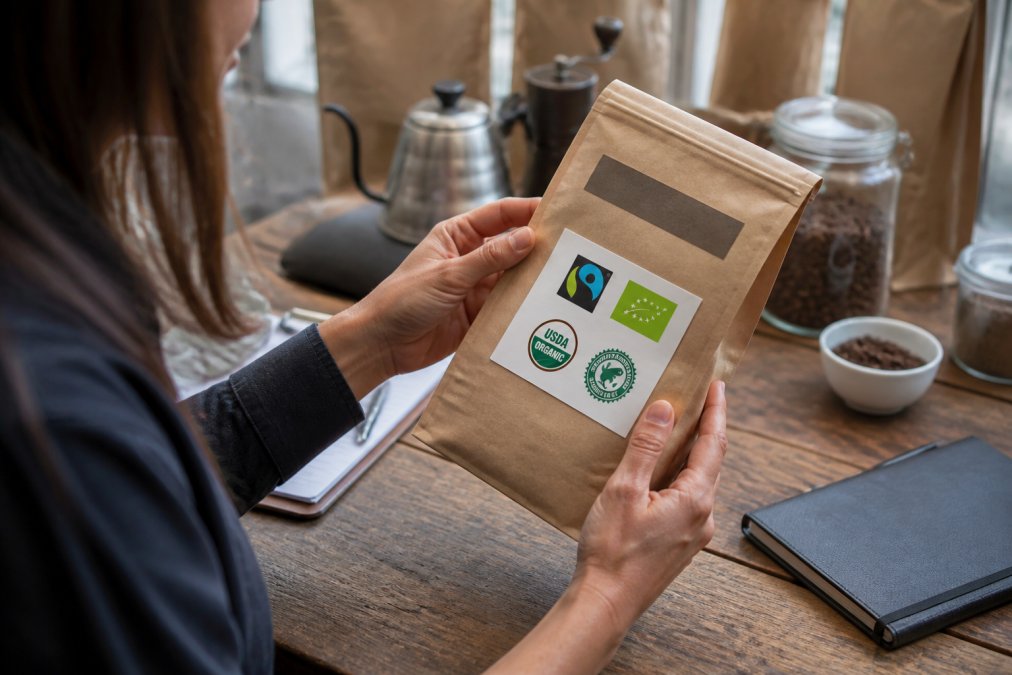
Start by checking whether a roaster publishes sourcing information. Good roasters tell you the farm name, region, altitude, processing method, and often the farmer's name. They explain what they paid for the beans and why. A roaster's website should answer these questions clearly: Where do your beans come from? How much do farmers earn? What certifications do you hold? Do you publish sustainability reports? If you can't find these answers after five minutes of browsing, move on.
Certifications That Matter
Fair Trade Certified means an independent third party verified that farmers received a minimum price and worked under acceptable conditions. The Fair Trade premium goes directly to farmer cooperatives for community development. This certification has real teeth because audits happen regularly and violations can result in decertification.
Rainforest Alliance Certified focuses on environmental sustainability alongside farmer welfare. These farms must protect water sources, maintain biodiversity, and minimize chemical inputs. The certification requires annual audits and measurable improvement in environmental practices year over year.
Direct Trade isn't a formal certification, it's a business model where roasters buy directly from farms or farmer cooperatives, cutting out middlemen. This typically means farmers earn more per pound than Fair Trade prices because there's no certification overhead. Roasters using Direct Trade should publish their relationships and pricing publicly.
Organic Certification verifies that beans were grown without synthetic pesticides or fertilizers. This matters for environmental health and cup quality, but doesn't guarantee fair wages. Look for organic status combined with Fair Trade or Direct Trade.
USDA National Organic Program standards define what "organic" actually means on a federal level.
Supply Chain Transparency and Traceability
The best ethical roasters publish supply chain audits. Counter Culture Coffee publishes detailed sustainability reports showing exactly where their money goes and what conditions are like on partner farms. They've invested in long-term relationships with specific farmers and prove it.
Traceability means you can follow your coffee from the roaster back to the specific farm. Some roasters include QR codes on bags that link to farm photos, farmer interviews, and harvest data. This is proof that someone actually visited these farms and documented what they found.
When evaluating a roaster's transparency, ask: Could I contact this farm if I wanted to? Does the roaster provide a farm name, not just a region? Are there photos or video from the actual location? Do they explain what "direct trade" or "fair trade" means in their specific case?
Roasters serious about ethics often share challenges too. They'll tell you when a harvest failed, when a farmer struggled with debt, when they had to adjust their supply chain because of climate impacts. This honesty signals integrity.
Fair Trade Coffee Subscription Services
A fair trade coffee subscription service delivers ethically sourced beans to your door on a regular schedule, with the guarantee that farmers received fair compensation.
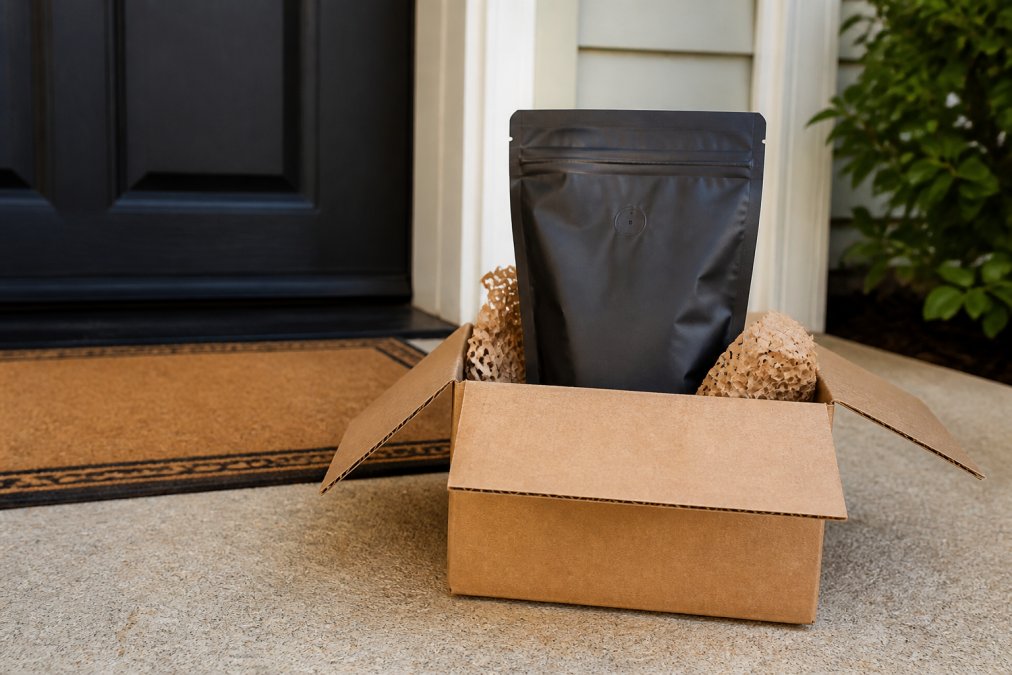
Driftaway Coffee is a BIPOC woman-led small-batch roastery in Brooklyn that pairs personalized recommendations with strong commitment to sustainability and farmer transparency. They start new subscribers with an Explorer Box to identify taste preferences, then match you with coffees you'll actually enjoy.
Trade Coffee partners with a network of specialty roasters across the country. They use an online quiz to understand your preferences, then match you with coffees from roasters that fit your taste. The flexibility to explore different roasters while maintaining consistent delivery appeals to people who want variety without decision fatigue.
Grounds for Change has been roasting Fair Trade and organic coffee since 2003. All their coffees are CarbonFree Certified. They roast to order, so beans ship within days of roasting.
The key difference between subscription services is how they handle customization and frequency. Some let you change your order every month. Others lock you into a set schedule. Read the fine print about pausing or canceling.
Direct Trade vs. Fair Trade: What's the Difference
Both direct trade and fair trade aim to pay farmers better than commodity prices, but they work through different mechanisms.
Fair Trade uses a certification system with a guaranteed minimum price. An independent organization verifies that farms meet labor and environmental standards. The Fair Trade premium goes to farmer cooperatives for community projects. This model works well at scale and provides price stability, but certification costs money that comes out of farmer earnings.
Direct Trade cuts out middlemen and certification bodies. Roasters buy directly from farms or farmer cooperatives, often at prices higher than Fair Trade minimums because there's no certification overhead. The roaster and farmer build a long-term relationship. This model can deliver more money to individual farmers, but it relies entirely on the roaster's integrity and transparency.
Onyx Coffee Lab practices direct trade and publishes detailed sourcing information. They pay well above commodity prices for single-origin lots and invest in long-term farmer relationships.
Many roasters use both models. They might buy some coffees through Fair Trade channels for consistency and price stability, and other coffees directly from specific farms where they've built relationships.
Single-Origin and Specialty Coffee Options
Single-origin coffee comes from one specific farm, region, or country, rather than being blended from multiple sources. This lets you taste the specific characteristics of that place, altitude, soil, climate, processing method all show up in your cup.
Single-origin coffees are where you taste the difference between ethical sourcing and commodity coffee. When a farmer knows their beans will be traced back to them, they have incentive to invest in quality. They'll pick ripe cherries carefully, process with attention to detail, and store beans properly.
Specialty coffee is high-quality beans that score 80 points or higher on a standardized cupping scale. Specialty roasters focus on sourcing exceptional lots, often paying premium prices for beans with distinctive flavor characteristics.
When buying single-origin or specialty coffee online, look for roasters who describe the processing method, altitude, harvest date, and tasting notes. A roaster that just says "Ethiopian coffee" probably didn't invest much in sourcing. One that says "Ethiopian Yirgacheffe, natural processed, 2000m altitude, harvested September 2026, notes of blueberry and jasmine" clearly cares.
Timeless Voices Coffee offers single-origin options alongside blended coffees, giving you flexibility to explore specific origins or stick with a consistent blend.
Environmental Impact: Carbon Footprint and Packaging
Ethical sourcing includes environmental responsibility. Coffee farming can either regenerate land or degrade it, depending on practices.
Shade-grown and bird-friendly coffees are grown under a canopy of native trees rather than in full sun. This protects biodiversity, sequesters carbon in trees, and often improves soil health.
Carbon-neutral shipping means a roaster has measured emissions from delivering your coffee and purchased offsets to neutralize them. Grounds for Change publishes their carbon accounting, showing exactly how much CO2 shipping produces and how they offset it.
Packaging waste is the environmental angle most roasters ignore. Coffee bags come in various materials, some fully compostable, some recyclable, some destined for landfills. A truly ethical roaster should either use compostable packaging or provide a mail-back program for recycling.
EPA guidelines on sustainable packaging outline what makes packaging genuinely sustainable versus greenwashing.
Look for roasters who address the full supply chain, not just the beans, but how they reach you.
Conclusion
Buying ethically sourced coffee online in 2026 means making deliberate choices about certifications, roaster transparency, and supply chain practices. The roasters worth supporting publish detailed sourcing information, maintain relationships with specific farms, and take environmental responsibility seriously.
Timeless Voices Coffee delivers fresh-roasted beans from trusted farms worldwide, roasted to order to ensure maximum flavor and freshness. Our commitment to careful sourcing and reliable delivery means you get a premium coffee experience backed by genuine ethical practices. Explore our single-origin options and blends, designed for discerning coffee lovers who refuse to compromise on quality or values. Start with a sample pack to discover your preferences, then set up a subscription that fits your schedule, pause or skip anytime.
Frequently Asked Questions
Q: What criteria define ethically sourced coffee in 2026?
A: Ethically sourced coffee meets standards around farmer compensation, environmental stewardship, and supply chain transparency. Look for fair trade or direct trade certifications, organic status, shade-grown practices, and living wage guarantees. Third-party verification through organizations like Fair Trade USA or Rainforest Alliance confirms these claims. Transparency reports showing exact farmer names, cooperatives, and pricing prove genuine commitment beyond marketing language.
Q: How can I verify if a coffee brand is truly fair trade?
A: Check for certifications from Fair Trade USA, Fair Trade International, or Rainforest Alliance displayed on the bag or website. Visit the brand's transparency page to see sourcing details, farmer cooperatives, and supply chain audits. Legitimate ethical roasters publish sustainability reports and share specific information about where beans originate. Contact the roaster directly with questions, authentic brands respond with detailed sourcing documentation and farmer stories.
Q: What is the difference between fair trade coffee and direct trade coffee?
A: Fair trade certification involves third-party verification ensuring minimum prices and standards across large networks of cooperatives. Direct trade relationships bypass middlemen, with roasters buying directly from specific farms at negotiated prices, typically higher than fair trade minimums. Direct trade offers greater transparency and farmer equity but lacks standardized certification. Both models prioritize farmer welfare, though direct trade often emphasizes long-term relationships and traceability.
Q: Are coffee subscriptions more sustainable than buying individual bags?
A: Fair trade coffee subscription services reduce packaging waste through consolidated shipments and regular delivery schedules that prevent stockpiling. Subscriptions encourage consistent consumption of fresh-roasted beans, reducing the likelihood of stale coffee waste. However, sustainability depends on packaging materials and shipping frequency. Many ethical roasters now use compostable or recyclable packaging and carbon-neutral shipping options, making subscriptions an environmentally conscious choice when paired with these practices.
Fair Trade USA certification standards provide detailed information about what Fair Trade certification actually requires if you want to verify claims independently. Understanding these standards helps you evaluate roaster claims critically rather than taking marketing language at face value.
This article was written using GrandRanker