

How to Choose Single Origin Coffee: A Buyer's Guide
Table of Contents
- What Makes Single Origin Coffee Different
- Understanding Coffee Flavor Profiles by Region
- Coffee Processing Methods Explained
- How to Identify High Quality Coffee Beans
- Matching Roast Level to Your Taste
- Choosing Single Origin Coffee for Your Brew Method
- Storage and Freshness: Maximizing Your Investment
- Conclusion
Last Updated: August 29, 2026
What Makes Single Origin Coffee Different
Single-origin coffee is sourced from a single country, region, or specific farm rather than a blend of beans from multiple origins. This distinction matters because it allows you to taste the unique characteristics of that place: altitude, soil composition, climate, and farming practices all influence flavor in ways that blended coffees intentionally mask.
When you choose single origin coffee, you're buying a story about terroir, how geography shapes taste. A bean from Ethiopia tastes fundamentally different from one grown in Colombia or Indonesia because growing conditions, processing traditions, and varietal choices differ dramatically. Blends smooth out these regional differences for consistency. Single-origin coffees celebrate them.
At Timeless Voices Coffee, we source single-origin beans from trusted farms worldwide because we believe the regional character and complexity justify the higher price. You're not paying for a marketing label, you're paying for beans that actually taste like somewhere specific.
Understanding Coffee Flavor Profiles by Region
Coffee flavor profiles are determined by where the beans grow. Altitude, rainfall, soil type, and temperature create distinct tasting characteristics that repeat reliably across farms in the same region.
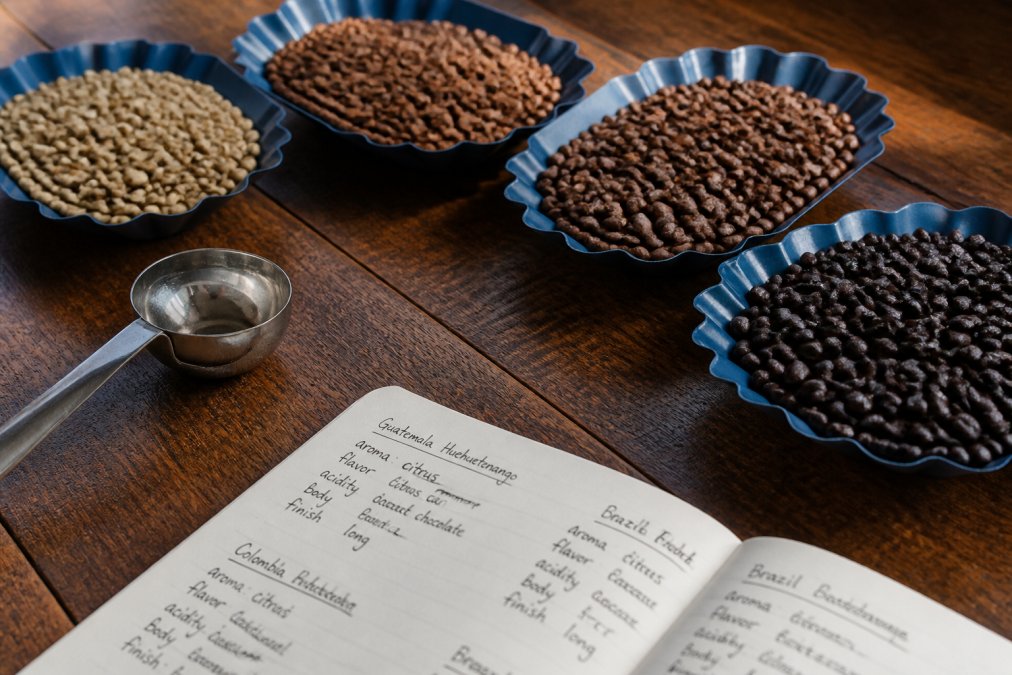
African Origins: Bright and Fruity
African coffees, particularly from Ethiopia and Kenya, are known for bright acidity and fruity or floral notes, blueberry, raspberry, jasmine, or bergamot. The high altitude and volcanic soil in East Africa create these distinctive profiles. Ethiopian Yirgacheffe coffees tend toward lighter, delicate fruit notes, while Sidamo coffees have deeper body with stone fruit character. Kenyan coffees sit in the middle: bright but with more body.
The acidity in African coffees adds liveliness and definition to taste, not unpleasant sharpness. This is what coffee professionals mean by "good acidity."
Central American: Balanced and Smooth
Central American coffees from Guatemala, Honduras, Costa Rica, and Colombia offer balance: moderate acidity, medium body, and flavor notes of chocolate, nuts, caramel, or stone fruit. These appeal to the widest range of palates because they don't push hard in any one direction.
Colombian coffees have earned a reputation for reliability and smoothness. Consistent elevation and climate produce beans with predictable flavor profiles: balanced sweetness, low acidity, and subtle chocolate or nut notes. Costa Rican coffees often show more complexity, especially honey process beans that add sweetness and body. Guatemalan coffees tend toward fuller body and spice notes like cinnamon or black pepper. If you're new to single-origin coffee, Central American origins are a logical starting point.
Asian and Pacific: Full-Bodied and Earthy
Indonesian and other Asian-Pacific coffees have the heaviest body and earthiest character, dark chocolate, leather, tobacco, or forest floor. These coffees have lower acidity and thicker mouthfeel. Sumatran coffees are processed to create distinctive earthy, herbal character with notes of cedar, mushroom, or wet earth. Papua New Guinea coffees offer a middle ground between African brightness and Asian earthiness, with medium-to-full body and subtle fruit notes underneath earthy undertones.
Coffee Processing Methods Explained
How coffee beans are processed after harvest dramatically affects flavor. The three main methods, washed, natural, and honey, each produce distinct tasting profiles from the same varietal grown in the same place.
Washed Process
Washed process removes the fruit from the bean immediately after harvest using water. The bean ferments briefly, then gets washed and dried. This method emphasizes the bean's inherent characteristics and regional terroir, producing brighter acidity, cleaner flavor notes, and less body than naturally processed beans. Most coffees from Central America and East Africa use washed processing, which is why African coffees taste so bright and fruity.
Natural Process
Natural process dries the entire cherry on the bean before removing it. This infuses the bean with fruit sugars, producing lower acidity, fuller body, and pronounced fruity or wine-like notes. Ethiopian natural process coffees are famous for their intense blueberry and wine-like character. Natural process requires less water than washed processing, making it more sustainable in water-scarce regions.
Honey Process
Honey process removes the cherry skin but leaves some fruit mucilage on the bean while it dries. The amount of mucilage determines how much sweetness and body develop. Honey process coffees fall between washed and natural in terms of acidity, body, and fruit character. Costa Rican coffees frequently use honey processing, creating subtle sweetness and complexity.
How to Identify High Quality Coffee Beans
Quality single-origin coffee has specific visual and aromatic characteristics that help you avoid disappointing purchases.
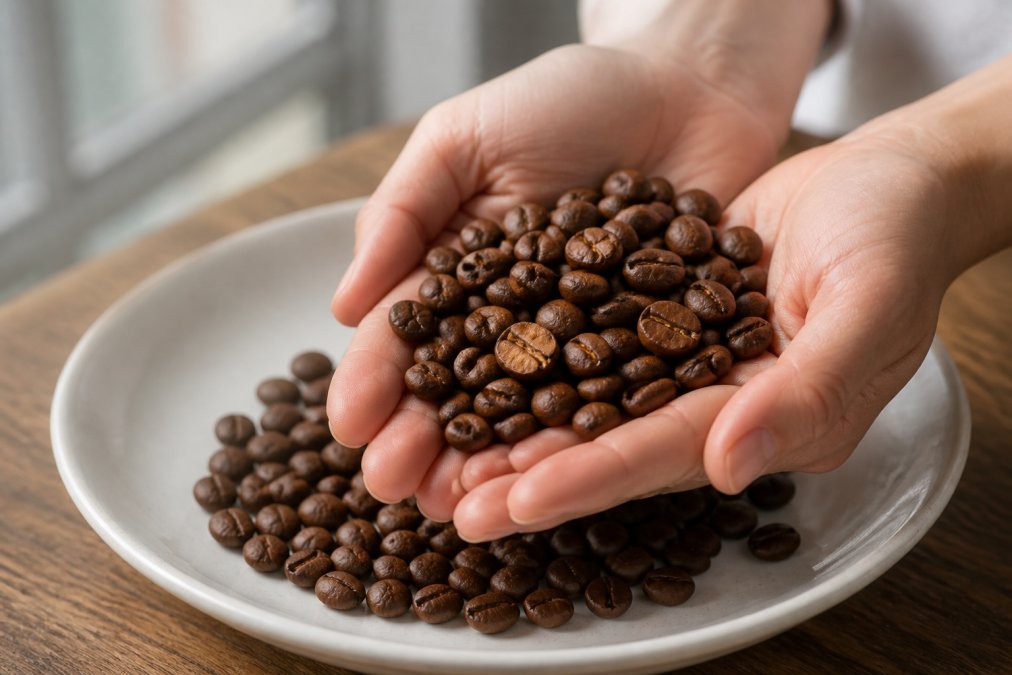
Start with color consistency. High-quality beans are uniform in size and color. Mixed light and dark beans indicate inconsistent roasting. Check for defects like cracks, holes, or discoloration, a few are normal, but many suggest poor quality control.
Smell the coffee. Fresh roasted coffee has a strong, pleasant aroma. Muted or stale smells indicate oxidation. Coffee loses flavor rapidly after roasting. Beans roasted more than four weeks ago taste noticeably flatter (peer-reviewed research). Look at the roast date on the bag, this is non-negotiable for single-origin coffee. Timeless Voices Coffee roasts to order so you receive beans at peak freshness.
Check the label for information about the farm, region, altitude, and processing method. Specific labels like "Yirgacheffe, Gedeo Zone, 1900-2100m, Natural Process" tell you exactly what you're buying. Vague labels like "premium arabica blend" tell you nothing.
Matching Roast Level to Your Taste
Roast level affects flavor as much as origin and processing method. Light roasts preserve the most origin character and have the highest acidity and complexity, ideal for single-origin coffee. Medium roasts balance origin character with roasted flavor like caramel and chocolate. Dark roasts emphasize roasted, smoky, and bitter flavors, where origin character fades into the background.
The best roast level depends on your brewing method and taste preferences. Light roasts showcase the bean's character in pour-over or French press. Medium roasts offer balance. Dark roasts provide heavy body and low acidity.
Choosing Single Origin Coffee for Your Brew Method
Your brewing method influences which single-origin coffee will taste best.
Pour-over methods produce clean cups with bright acidity and work beautifully with light roast single-origin coffees. French press produces fuller body and emphasizes mouthfeel, working well with medium and dark roast single-origin coffees and naturally processed beans. Espresso requires specific bean characteristics, medium to dark roasts work better than light roasts. Automatic drip machines work better with medium roast single-origin coffees. Cold brew works with nearly any single-origin coffee, though naturally processed and honey process beans with more body and sweetness tend to taste better.
| Brewing Method | Best Roast Level | Best Processing | Best Origin |
|---|---|---|---|
| Pour-over | Light | Washed | African, Central American |
| French press | Medium-Dark | Natural, Honey | Asian-Pacific, African |
| Espresso | Medium-Dark | Any | Central American, Asian-Pacific |
| Automatic drip | Medium | Any | Central American, Asian-Pacific |
| Cold brew | Any | Natural, Honey | Any |
Storage and Freshness: Maximizing Your Investment
Single-origin coffee costs more than mass-market coffee, so protecting freshness matters. Store coffee in an airtight container away from light, heat, and moisture. Whole beans stay fresh for about two to three weeks after roasting (peer-reviewed research). Ground coffee starts declining after three to five days (peer-reviewed research).
Keep coffee at room temperature. Don't refrigerate or freeze unless storing for months. Refrigeration creates condensation, which introduces moisture and accelerates staleness. Buy coffee in quantities you'll use within two to three weeks. Subscription services make sense for regular drinkers, instead of buying a month's supply that goes stale, you receive fresh beans regularly. Timeless Voices Coffee delivers fresh-roasted beans on a schedule you control.
Avoid storing coffee in the original bag if it doesn't have an airtight seal. Transfer beans to a container with an airtight seal for best results. If your coffee tastes flat or stale, it's past its prime. Stale coffee tastes muted and slightly bitter, which is why freshness matters so much for single-origin coffee.
Choosing the right single-origin coffee requires understanding how origin, processing, roast level, and brewing method work together. Once you understand these factors, you can confidently select beans that match your taste preferences.
At Timeless Voices Coffee, we help you navigate this complexity by providing detailed information about every bean: where it's from, how it was processed, what altitude it was grown at, and what flavor notes to expect. Our fresh-roasted, made-to-order approach ensures you receive beans at peak freshness, so you experience the full character and complexity that makes single-origin coffee worth the investment. Explore our single-origin selection and discover the regional character that blends intentionally mask.
Frequently Asked Questions
What defines a single origin coffee?
Single origin coffee comes from one specific farm, region, or country, rather than a blend of beans from multiple sources. This traceability allows you to experience the unique characteristics of that location's terroir, altitude, climate, and processing methods. Single origin coffees highlight the varietal and regional character in each cup, making them ideal for understanding how geography shapes flavor.
How do I identify high quality coffee beans when shopping?
Look for beans that are uniform in size and color, with an oily or glossy appearance (indicating proper roasting). Check the bag label for roast date, beans roasted within 2-4 weeks are fresher. Verify transparency details: the farm name, region, altitude, processing method, and varietal. Avoid bags with no roast date or vague sourcing. High quality beans should smell aromatic and complex, not flat or stale.
Are single origin coffees always better than blends?
Not necessarily. Single origin coffees excel at showcasing regional complexity and unique flavor profiles, making them ideal for exploration and tasting. Blends, however, are crafted to achieve consistency, balance, and specific flavor goals that single origins may not deliver alone. Your choice depends on whether you prioritize discovering new tasting notes or enjoying a reliable, balanced cup every morning.
How does roast level affect single origin coffee flavor?
Roast level dramatically changes how you experience a single origin's terroir. Light roasts preserve bright acidity and regional character, highlighting citrus and floral notes. Medium roasts balance acidity with body and mouthfeel, adding chocolate and stone fruit complexity. Dark roasts emphasize body and mouthfeel over regional nuance. Match your roast preference to the origin: African coffees shine in light roasts, while Asian coffees often benefit from medium or darker profiles.
This article was written using GrandRanker