

How to Tell if Coffee Is Stale: A Step-by-Step Guide
Table of Contents
- Signs Your Coffee Beans Have Gone Stale
- The Bloom Test: A Practical Method to Check Freshness
- Understanding Oxidation and CO2 Degassing
- How Long Does Coffee Stay Fresh After Roasting
- Proper Coffee Storage Techniques to Prevent Staleness
- Stale vs. Expired Coffee: What's the Difference
- What to Do With Stale Coffee Beans
- Conclusion
Last Updated: August 16, 2026
Signs Your Coffee Beans Have Gone Stale
Knowing when your coffee has gone stale is the difference between a vibrant, aromatic cup and a flat, hollow-tasting disappointment. Stale coffee develops as a result of oxidation and CO2 degassing, two natural processes that begin the moment beans are roasted. The timeline matters more than most people realize.
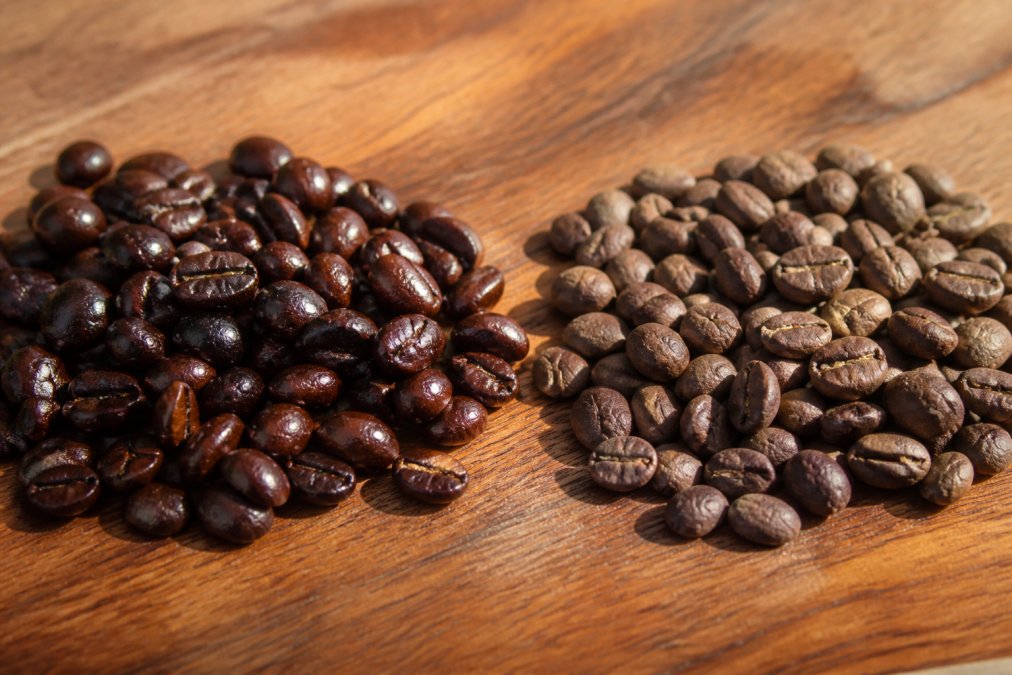
The signs appear gradually. Fresh beans display a glossy shine from residual oils and release visible CO2 when water first contacts them. Stale beans lose that luster and appear dull, sometimes even chalky. The transformation isn't dramatic overnight, but it's measurable within days.
Visual Indicators of Staleness
The first place to look is the bean's surface. Fresh whole beans show a subtle sheen, this comes from oils migrating outward as the bean cools after roasting. Over time, these oils oxidize, and the glossy shine fades to a matte finish. Stale beans often look flat and lifeless under normal light.
Color shifts occur too, though subtly. Freshly roasted beans maintain their intended roast profile, whether that's a bright cinnamon brown for light roasts or a deeper mahogany for darker roasts. As staleness sets in, the color becomes less vibrant. Dark roasts may appear almost gray at the edges. Light roasts lose their brightness and take on a duller tone.
Ground coffee shows these signs even more clearly. Fresh grounds release a strong aroma when the bag opens. Stale grounds smell noticeably weaker, sometimes musty or flat. If you grind stale beans, the powder appears less uniform in color and lacks the fine texture of fresh grinds.
Aroma and Smell Changes
Aroma is one of the most reliable indicators of freshness. Fresh coffee beans release a complex, inviting fragrance, notes of chocolate, nuts, fruit, or flowers depending on the origin and roast profile. This aroma comes from volatile compounds released during roasting, and these compounds dissipate over time.
Stale beans smell noticeably weaker. The aroma becomes muted and one-dimensional. Some describe it as "flat." In extreme cases, stale beans develop musty or rancid notes, signs that oxidation has progressed significantly. If your coffee smells like cardboard or old paper, staleness has advanced considerably.
A quick test: open a bag of coffee you've had for a few weeks, then compare it side-by-side with a freshly roasted bag. The difference in aroma intensity is striking. Fresh beans fill a room with fragrance. Stale beans produce barely a whisper.
Taste and Flavor Profile Degradation
The taste test is the ultimate proof. Fresh coffee delivers complexity, bright acidity, balanced body, and distinct flavor notes. As coffee stales, this complexity collapses. Acidity fades first, leaving the coffee tasting flat and one-note. The body becomes thin and hollow. Any unique flavor characteristics, the fruity notes in an Ethiopian single-origin, the chocolate notes in a Brazilian blend, become nearly undetectable.
Stale coffee often tastes bitter or harsh without the smoothness that defines quality roasts. This bitterness isn't the intentional bite of a dark roast; it's the unpleasant result of degraded compounds. Many people mistake this for "strong" coffee, but strength and staleness are different things entirely. A strong, fresh cup has clarity. A stale cup tastes muddy and unpleasant regardless of brewing method.
The Bloom Test: A Practical Method to Check Freshness
The bloom test is one of the most practical ways to assess freshness without tasting. When hot water first contacts fresh coffee grounds, CO2 trapped inside the beans escapes rapidly, creating visible bubbles on the surface, this is the bloom. The more vigorous the bloom, the fresher the beans.
To perform the bloom test, grind your coffee and add it to a filter or cup. Pour a small amount of hot water (just enough to saturate the grounds), then watch for 30 seconds. Fresh beans produce an obvious bloom with visible bubbles rising from the grounds. The surface appears active and foamy. Stale beans produce little to no bloom. The water simply wets the grounds without the characteristic bubble activity.
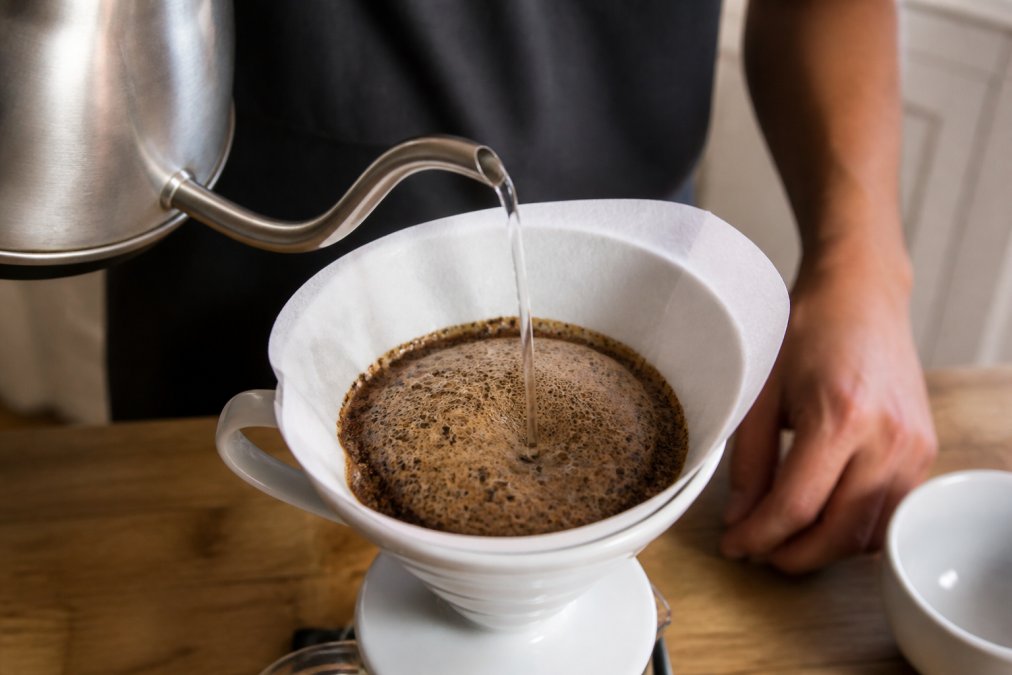
This test works because CO2 degassing is a time-dependent process. Fresh beans retain significant CO2 from the roasting process. As days pass, this gas escapes naturally through the bean's porous structure. By the time beans are a month old, most of the CO2 is gone. A weak or absent bloom indicates that degassing has progressed significantly, which correlates directly with flavor loss.
The bloom test is particularly useful for whole beans you plan to grind at home. It takes less than a minute and requires no special equipment. Many coffee enthusiasts use it as a routine freshness check before brewing.
Understanding Oxidation and CO2 Degassing
Two chemical processes drive coffee staleness: oxidation and CO2 degassing. Understanding the difference helps explain why fresh coffee tastes so different from stale coffee.
Oxidation occurs when oxygen in the air reacts with compounds in the coffee bean. This process breaks down the complex flavor molecules that make fresh coffee taste vibrant. Oxidation accelerates with exposure to heat, light, and air. It's why coffee stored in a clear container on a sunny shelf stales faster than coffee in an opaque, airtight container in a cool cupboard.
CO2 degassing is the release of carbon dioxide that was trapped in the bean during roasting. Roasting creates tiny pores in the bean structure, and CO2 fills these spaces. Over time, this gas escapes into the air. This process happens regardless of storage conditions, it's inevitable. However, proper storage slows it down. An airtight container with a one-way valve (which allows gas to escape without letting air in) preserves freshness longer than an open container.
Both processes work together. As CO2 leaves the bean, oxygen enters the spaces it vacated. This accelerates oxidation. The combination of these two processes is why coffee flavor degrades so noticeably over weeks.
How Long Does Coffee Stay Fresh After Roasting
Fresh coffee is best consumed within two to four weeks of the roast date. This window represents the period when flavor complexity remains intact and acidity is bright. After four weeks, most coffee is technically drinkable but noticeably stale, the bloom is weak, aroma is muted, and flavor is flat.
The roast date is the key reference point. Coffee doesn't have an expiration date like milk does. Instead, freshness is measured from roasting. A bag roasted two weeks ago is fresher than a bag roasted two months ago, regardless of when either was packaged or purchased.
How long does coffee stay fresh depends heavily on storage conditions. Coffee stored in an airtight, opaque container in a cool environment stays fresher longer than coffee in a paper bag on a kitchen counter. Proper storage can extend the acceptable window to six weeks. Poor storage can reduce it to ten days.
Whole beans stay fresh longer than ground coffee. Grinding increases surface area, which accelerates both oxidation and CO2 loss. Ground coffee is best used within a few days of grinding. Whole beans maintain quality for weeks if stored properly.
Proper Coffee Storage Techniques to Prevent Staleness
Preventing staleness starts with understanding what degrades coffee: oxygen, light, heat, and moisture. Your storage strategy should minimize all four.
The ideal storage container is airtight, opaque, and kept in a cool location. An airtight seal prevents oxygen from entering and CO2 from escaping too rapidly. Opacity protects beans from light exposure, which accelerates oxidation. Cool temperatures slow chemical reactions that drive staleness. A cupboard or pantry is ideal. A sunny windowsill or warm kitchen counter is not.
Container Types and Packaging Technology
Airtight canisters with rubber seals are effective for home storage. Choose opaque containers, clear glass or plastic allows light penetration. Metal canisters work well because they block light completely and maintain consistent internal temperature.
One-way valves are a game-changer for storage. These small devices allow CO2 to escape without letting oxygen in. Bags designed with one-way valves preserve freshness significantly longer than sealed bags without them. Many premium roasters use bags with one-way valves specifically for this reason.
Vacuum-sealed bags remove most oxygen before sealing, which slows oxidation dramatically. If you purchase coffee in vacuum-sealed bags, keep them sealed until you're ready to use the contents. Once opened, transfer remaining coffee to an airtight container with a one-way valve.
Freezer storage is debated among coffee enthusiasts. Freezing slows chemical reactions and can extend freshness, but it introduces moisture risk. If you freeze coffee, use an airtight, moisture-proof container and thaw it only when ready to use. The condensation that forms during thawing can damage beans.
Storage Environment and Conditions
Temperature matters more than most people realize. Warm kitchens accelerate staleness. A cool pantry or cupboard extends freshness. Room temperature (around 70°F) is acceptable. Avoid storing coffee near heat sources like ovens or sunny windows.
Light exposure degrades coffee through a process similar to oxidation. UV light breaks down flavor compounds. Store coffee in a dark location. If your kitchen has only bright, sunny storage options, use an opaque container as a minimum precaution.
Humidity can damage beans. Moisture promotes mold growth and accelerates oxidation. Store coffee in a dry location. Avoid storing near sinks or dishwashers where steam and humidity are high.
Air exposure is the primary enemy. Every time you open a storage container, oxygen enters and CO2 escapes. Minimize opening frequency. Use containers that seal tightly. If you purchase coffee in bulk, consider dividing it into smaller portions so you're not repeatedly opening a large container.
Stale vs. Expired Coffee: What's the Difference
The terms "stale" and "expired" are often used interchangeably, but they mean different things.
Stale coffee has lost flavor quality due to oxidation and CO2 degassing. It's still safe to drink, staleness is not a food safety issue. Stale coffee simply tastes flat, hollow, and unpleasant. It won't make you sick.
Expired coffee is a term used loosely in the industry. Coffee doesn't truly expire like perishable foods do. However, coffee can reach a point where it's so degraded that it's barely palatable. Some people consider coffee that's more than a few months old as "expired," though this is subjective.
The practical distinction: stale coffee is unpleasant to drink but safe. Coffee that's been stored improperly for many months may develop mold or off-flavors from moisture exposure, which is a genuine safety concern. This is rare with proper storage but possible in humid environments.
Check the roast date on your bag. Coffee roasted within the last four weeks is fresh. Coffee roasted more than two months ago is stale. Coffee roasted more than six months ago should be examined carefully, if it shows any signs of moisture damage or mold, discard it.
What to Do With Stale Coffee Beans
Stale coffee doesn't have to end up in the trash. Several options exist for using beans that have lost their drinking quality.
Cold brew can mask some staleness. The long steeping time and cold temperature extract different compounds than hot brewing. Some people find that stale beans work adequately for cold brew, though the result is still less flavorful than fresh beans.
Coffee-based cooking is an excellent use. Stale beans work fine in recipes that call for brewed coffee, coffee cakes, chocolate desserts, or coffee-rubbed meats. The staleness is less noticeable in cooked applications.
Coffee scrubs are popular in skincare. Ground stale coffee can be mixed with coconut oil or other ingredients to create exfoliating body scrubs. The texture is useful even if the flavor is gone.
Composting is the most environmentally responsible option. Coffee grounds and whole beans decompose quickly and add nitrogen to compost. If you have a compost bin or access to a community composting program, this is an ideal solution.
Coffee-infused projects like crafts, candles, or air fresheners use stale beans creatively. The aroma of stale coffee is still pleasant in these applications, even if it's not ideal for drinking.
The key is not to waste quality beans in the first place. Purchasing fresh coffee in quantities you'll use within four weeks, and storing it properly, prevents the staleness problem altogether. Timeless Voices Coffee's roast-to-order model ensures beans arrive at peak freshness, so you're working with optimal starting material.
Knowing how to tell if coffee is stale transforms your morning routine. The difference between vibrant, complex coffee and flat, hollow brew comes down to freshness, and freshness depends on proper storage and timely consumption. By understanding the visual, aromatic, and taste indicators of staleness, performing the bloom test, and storing beans correctly, you ensure every cup delivers the smooth, rich experience you deserve. Start with fresh beans from Timeless Voices Coffee, store them in an airtight, opaque container away from heat and light, and brew within four weeks of the roast date for maximum flavor and aroma in every cup.
Frequently Asked Questions
Is it safe to drink stale coffee?
Yes, stale coffee is safe to drink. Unlike expired food, stale coffee doesn't develop harmful bacteria or toxins. The main issue is flavor loss due to oxidation and CO2 degassing. Your stale coffee won't make you sick, but it will taste flat, dull, and hollow compared to fresh beans. If it smells musty or rancid, discard it, those odors indicate mold or oil degradation, not staleness.
How long does coffee stay fresh after opening the bag?
Once you open your coffee bag, beans begin losing aroma and complexity within 1-2 weeks, though they remain drinkable for 3-4 weeks. Ground coffee degrades faster, use it within 1 week for best flavor. Airtight containers with one-way valves slow oxidation and CO2 loss, extending shelf life. The roast date matters more than the purchase date; check your bag for this information to gauge true freshness.
Can you revive stale coffee beans?
You cannot truly revive stale beans, but you can still use them. Stale whole beans work better in espresso or dark roasts where bitterness and body can mask flatness. Ground stale coffee is harder to salvage. Instead of discarding them, upcycle stale beans into cold brew (which masks dull flavors), coffee scrubs for skincare, or baking ingredients. Fresh beans are worth the investment for the brightness and acidity you'll taste.
What causes coffee to go stale?
Two main processes cause staleness: oxidation (beans reacting with oxygen) and CO2 degassing (loss of carbon dioxide that creates the bloom during brewing). Fresh roasted beans release CO2 for 2-3 weeks after roasting. As CO2 escapes and oxygen enters, the beans lose their vibrant flavor profile, aroma complexity, and acidity. Moisture, light, and heat accelerate both processes, which is why proper storage in airtight containers away from warmth matters.
This article was written using GrandRanker