

Is Coffee Subscription Worth the Money in 2026
Table of Contents
- The Real Cost: Subscription vs. Grocery Store Coffee
- Why Freshness Matters More Than You Think
- Best Coffee Subscription for Home Office Workers
- How to Choose a Coffee Subscription That Fits Your Habits
- Coffee Subscription Cost Comparison: What You Actually Spend
- The Hidden Costs and Friction Points
- When a Coffee Subscription Makes Sense
Last Updated: August 28, 2026
The Real Cost: Subscription vs. Grocery Store Coffee
Comparing coffee subscriptions to grocery store coffee by price per bag is the wrong question. Grocery store beans sit on shelves for weeks or months, losing volatile aromatic compounds that make coffee taste good. Subscription coffee is roasted to order and shipped within days, arriving at peak freshness.
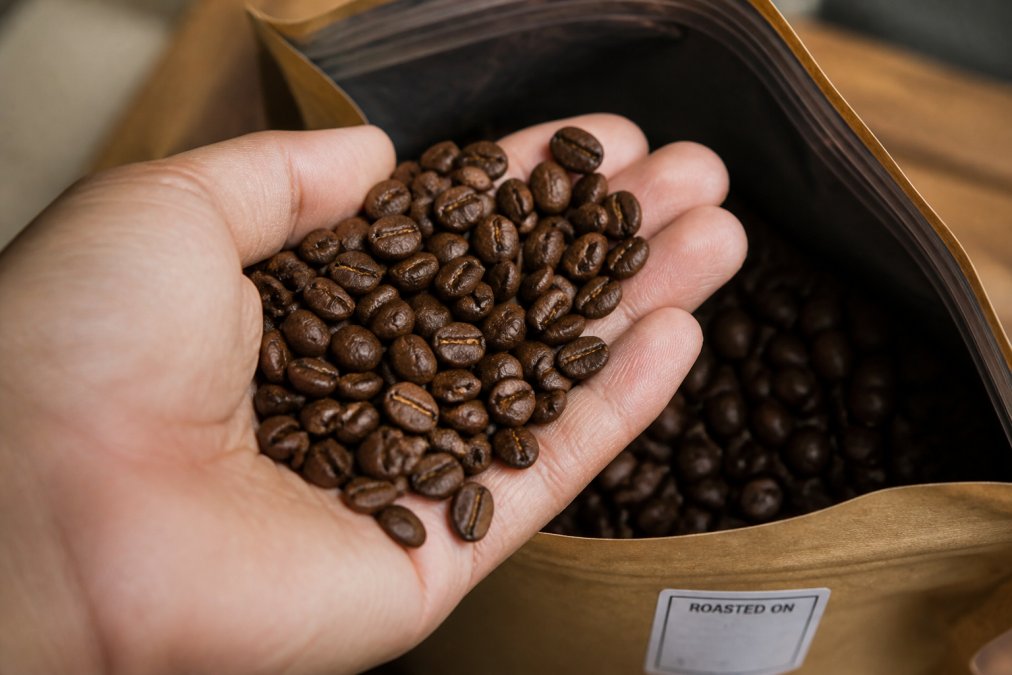
Subscription services like Trade Coffee start around $16.99 per bag, while Atlas Coffee Club begins at $14.00 per bag. A typical bag yields 15-20 cups, working out to roughly $0.75 to $1.13 per cup for premium, freshly roasted coffee (peer-reviewed research). Grocery store coffee might cost $0.30 to $0.50 per cup, but you're drinking something that lost most of its flavor weeks ago.
Freshly roasted beans have complexity, origin character, and subtle notes. Stale coffee tastes flat and bitter. Subscription services also maintain quality control, every shipment follows the same roasting profile and freshness standard. For daily coffee drinkers, the quality difference justifies the premium.
Why Freshness Matters More Than You Think
Coffee freshness is chemistry, not marketing. When beans are roasted, they release carbon dioxide and volatile aromatic compounds that create flavor and aroma. After two weeks, CO2 release slows dramatically (peer-reviewed research). After four weeks, most aromatic volatility is gone.
Subscription services roast to order and ship immediately, delivering beans that are typically 3-7 days old, the sweet spot where initial bitterness has faded but flavor remains intact (peer-reviewed research). The difference between a bean roasted three days ago and one roasted three weeks ago is dramatic. Fresh beans taste alive; older beans taste muted.
This matters most for single-origin coffees. A fresh Ethiopian bean tastes completely different from a Colombian one. Those flavor differences depend entirely on freshness. Roast fresh, and you taste terroir. Let it sit for a month, and those subtle differences disappear.
Timeless Voices Coffee roasts beans to order from trusted farms worldwide, ensuring maximum flavor in every shipment. If you care what your coffee tastes like, freshness is the foundation that makes everything else possible.
Best Coffee Subscription for Home Office Workers
If you work from home, a coffee subscription solves a specific problem: you need fresh coffee consistently available without leaving your desk.
The ideal subscription has three characteristics: flexible delivery frequency, fast and reliable shipping, and enough variety to keep the daily ritual interesting.

Timeless Voices Coffee is built for this scenario. The service offers convenient and easy ordering with fast, reliable delivery. The wide variety of blends, flavored, single-origin, and sample packs means you can have your go-to order and still try new things.
For home office workers, delivery reliability is key. You need a service that understands you need predictability. Timeless Voices Coffee delivers on this front with consistent shipping and easy frequency adjustments.
How to Choose a Coffee Subscription That Fits Your Habits
The biggest mistake is picking based on price instead of fit. A cheap subscription you cancel after two months costs more than a slightly more expensive one you actually use.
Start by tracking your consumption for a week. How many cups do you drink daily? Do you want consistency or variety? Do you prefer whole beans or pre-ground?
Once you know your pattern, match it to a subscription that supports it. The second factor is discovery preference. Some want curated selections; others want complete control. The third factor is sourcing values, ethical sourcing, small-batch roasting, and farmer relationships matter to some but not others. The final factor is convenience: do you want set-it-and-forget-it, or are you willing to manage monthly decisions?
| Factor | Discovery-Focused | Consistency-Focused | Flexibility-Focused |
|---|---|---|---|
| Best For | Trying new origins monthly | Same great coffee reliably | Adjusting to your schedule |
| Ideal Service | Atlas Coffee Club | Timeless Voices Coffee | Trade Coffee |
| Frequency Control | Fixed monthly | Customizable | Fully flexible |
| Selection | Curated for you | You choose | Personalized recommendations |
| Shipping | Monthly | On your schedule | On your schedule |
The subscription worth your money matches how you actually drink coffee.
Coffee Subscription Cost Comparison: What You Actually Spend
Trade Coffee charges $16.99 per bag with free shipping. Atlas Coffee Club starts at $14.00 per bag plus separate shipping. Blue Bottle starts at $11 per shipment. Driftaway Coffee begins at $14.40 per shipment.
A $14 bag yielding 18 cups costs about $0.78 per cup. A $16.99 bag yielding 20 cups costs about $0.85 per cup. Ordering every two weeks costs roughly $20-30 per month.
What matters more than per-bag price is whether you actually drink what you order. If you end up with unopened bags because the coffee doesn't match your taste, you've wasted money. If coffee sits for three weeks before you open it, you've paid for freshness you didn't get.
The real cost calculation is: (price per bag × bags per month) + shipping + waste = actual monthly spend. Most people underestimate waste. If you throw away 20% of what you order, you're effectively paying 20% more than advertised.
The subscription worth the money is one where you drink what you order, coffee stays fresh through frequent arrival, and total monthly spend aligns with your budget.
The Hidden Costs and Friction Points
Coffee subscriptions have hidden problems: over-ordering, decision fatigue, shipping waste, cancellation friction, price creep, and quality inconsistency.
The most common problem is over-ordering. You subscribe for fresh coffee, but three months in, you have unopened bags because you're drinking slower than shipment frequency. Some services make pausing intentionally inconvenient.
Decision fatigue occurs when subscriptions offer too many choices. Shipping waste is real, every box involves cardboard, padding, and cross-country delivery. Cancellation friction means some services bury the cancellation option or require phone calls. Price creep happens when promotional prices increase after the first few months. Quality inconsistency occurs when roasters change profiles seasonally.
Choose a service that prioritizes flexibility and transparency. You want easy frequency adjustments, easy pausing, easy cancellation, and clear pricing. Timeless Voices Coffee's convenient and easy ordering is designed around this principle. You should never feel trapped.
When a Coffee Subscription Makes Sense
A coffee subscription is worth the money if you meet three conditions.
First, you actually care what your coffee tastes like. If you drink coffee primarily for caffeine, a subscription is overkill.
Second, you drink coffee consistently enough to justify delivery frequency. If you drink two cups daily, a bi-weekly subscription makes sense. If you drink sporadically, buy as needed instead.
Third, you have discipline to use what arrives. If you get excited, order it, use it for a month, then forget to adjust frequency, a subscription will frustrate you.
If you meet all three conditions, a subscription is absolutely worth the money. The difference between fresh, carefully roasted coffee and stale grocery store coffee is significant. You're getting coffee that tastes like something, consistency, and delivery convenience.
For remote professionals, readers who pair morning coffee with books, or anyone who's thought "I wish my coffee tasted better," a subscription makes sense. Timeless Voices Coffee delivers maximum flavor and freshness with convenient ordering and fast, reliable delivery. Start with a service offering flexibility so you can adjust if needed. If you care about your daily ritual, give freshly roasted coffee a real chance. The difference is worth it.
Frequently Asked Questions
Q: Is a coffee subscription cheaper than buying beans at the store?
A: Cost depends on what you're comparing. Premium grocery store specialty beans often run $12-18 per pound, while coffee subscriptions typically range similarly per pound but offer freshly roasted beans shipped within days of roasting. The real savings come from bulk ordering and avoiding impulse purchases. However, standard grocery store coffee is significantly cheaper, subscriptions cost more upfront but deliver superior flavor and freshness that justifies the premium for daily drinkers who value quality.
Q: How do I know if a coffee subscription is right for my consumption habits?
A: Calculate your weekly coffee consumption first. If you brew 5-7 cups daily, a subscription delivering 1-2 pounds monthly likely works. If you drink occasionally or have inconsistent schedules, subscriptions risk creating stockpiles. Consider flexibility: can you pause or skip months without penalty? Customizable frequency and the ability to adjust shipment sizes matter more than price alone. Test with a single shipment before committing to recurring delivery.
Q: Do coffee subscriptions offer better quality than local supermarkets?
A: Yes, significantly. Coffee subscriptions from specialty roasters focus on single-origin beans, curated roast profiles, and roasting to order, meaning beans ship within days of roasting at peak flavor. Grocery store coffee, even premium brands, sits on shelves for weeks or months, losing aromatic compounds and flavor complexity. Freshly roasted coffee tastes noticeably smoother, brighter, and more complex. For daily coffee drinkers, this difference compounds: you experience superior flavor in every cup across the subscription period.
Q: What happens if I end up with too much coffee piling up?
A: Subscription fatigue is real. Before subscribing, confirm the service allows pausing or skipping months without cancellation penalties. Most reputable services offer this flexibility. Store whole beans in airtight containers away from heat and light, they stay fresh 2-4 weeks. Pre-ground coffee degrades faster, so whole beans are better for longer storage. If you find yourself consistently pausing, downsize your shipment frequency or bag size rather than canceling entirely, or switch to a service with smaller minimum orders.
This article was written using GrandRanker