

Koffee Kult vs Fresh Roasted Coffee: 2026 Comparison
Table of Contents
- Roasting Process and Freshness Standards
- Bean Origin, Sourcing, and Flavor Profiles
- Roast Levels and Tasting Notes
- Best Coffee Subscription for Home Office
- How to Store Fresh Roasted Coffee Beans
- Coffee Subscription Comparison Chart and Pricing
- Quality Control, Sustainability, and Which to Choose
- Conclusion
Last Updated: August 30, 2026
Roasting Process and Freshness Standards
Fresh roasted coffee begins with a critical decision: when the beans leave the roaster and reach your cup. The difference between coffee roasted yesterday and coffee roasted three weeks ago isn't subtle, it's the difference between a vibrant, aromatic cup and one that tastes flat and stale.
The roasting process itself determines how much potential flavor a bean can express. When green coffee beans hit the roaster, they're transformed through carefully controlled heat. The first crack marks a threshold where cellulose breaks down and sugars caramelize. What happens after that moment, whether the roaster pulls the beans immediately or lets them continue darkening, defines the roast level and the flavor profile that emerges.
Koffee Kult and Fresh Roasted Coffee both claim to roast to order, which means beans are roasted after you place your order rather than sitting in inventory. This approach theoretically maximizes freshness. The real question is execution: how quickly do beans ship after roasting, and how do they handle the cooling and degassing period?
Timeless Voices Coffee takes this a step further by roasting small batches from carefully sourced beans. Roasting to order isn't just a marketing claim, it's a commitment to freshness that affects every aspect of the cup. Beans roasted yesterday taste noticeably different from beans roasted two weeks ago. The aroma is sharper, the acidity is brighter, and the overall complexity is more pronounced.
One often-overlooked detail: beans need time to degas after roasting. Carbon dioxide trapped inside the bean needs to escape. Brewing coffee too soon after roasting can result in uneven extraction and a cup that tastes slightly flat or sour. The ideal window is typically 3-10 days after roasting, depending on the roast level and bean density (peer-reviewed research). Lighter roasts degas faster; darker roasts take longer. Understanding this window separates practitioners from casual drinkers.
Bean Origin, Sourcing, and Flavor Profiles
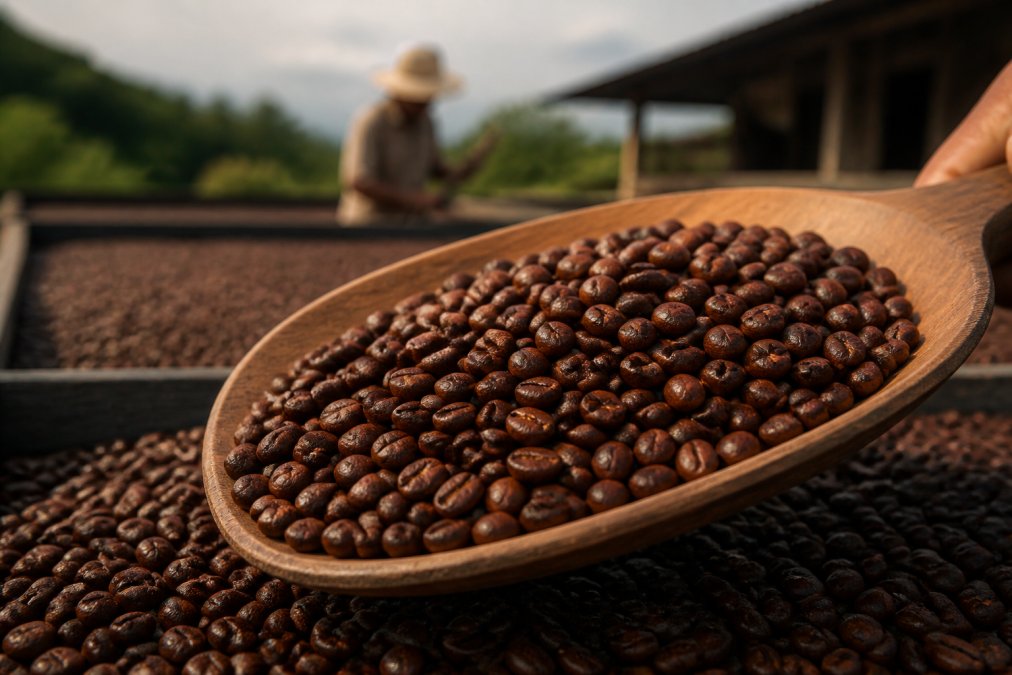
Where coffee comes from matters as much as how it's roasted. Single-origin beans, coffee from a specific farm, region, or country, express distinct flavor characteristics shaped by altitude, soil, climate, and processing method. A bean from Ethiopia tastes nothing like a bean from Colombia, even if both are roasted to the same level.
Specialty coffee roasters focus on direct trade or direct relationships with farms. This means the roaster knows the farmer, understands the harvest conditions, and can trace the bean's journey from cherry to cup. Koffee Kult emphasizes sourcing practices, and Fresh Roasted Coffee highlights their bean selection. Both position themselves as quality-focused, but sourcing transparency varies between them.
Timeless Voices Coffee sources beans from trusted farms worldwide, which means you get access to micro-lots and single-origin options alongside carefully crafted blends. The sourcing approach affects not just the flavor but also the consistency of your experience. A farm partnership that spans years produces more stable, predictable results than spot-market purchases.
Flavor profiles are shaped by origin. Ethiopian naturals often carry floral and fruity notes, think blueberry or jasmine. Kenyan coffees tend toward black currant and bright acidity. Colombian beans frequently display chocolate, nut, or caramel characteristics. Brazilian coffees are often full-bodied with low acidity and earthy undertones. Understanding these baselines helps you predict whether you'll enjoy a particular bean before brewing.
Cupping notes, the detailed tasting descriptions roasters provide, should be specific. Vague descriptions like "smooth" or "balanced" don't help you decide. Look for concrete language: "chocolate notes with a hint of orange brightness" tells you something actionable. "Nutty undertones" paired with "full body" suggests a bean that will work well with certain brewing methods.
Roast Levels and Tasting Notes
Roast level is the most visible difference between coffee options, yet it's often misunderstood. Light roasts preserve more origin characteristics and acidity. The bean's natural flavors, fruit, floral, bright notes, come through more clearly. Medium roasts balance origin character with roast-induced flavors. Dark roasts emphasize body and bitterness while origin characteristics fade into the background.
This matters because roast level affects brewing. Light roasts require precision, water temperature, grind consistency, and extraction time all matter more. Dark roasts are more forgiving and work well in bold, full-bodied brewing methods like French press. Medium roasts split the difference and work across most brewing methods.
Koffee Kult offers a range of roast levels, as does Fresh Roasted Coffee. The distinction comes down to consistency and flavor execution. A roaster that nails their medium roast profile across multiple bean origins demonstrates technical skill. One that produces excellent light roasts but mediocre dark roasts shows specialization.
Tasting notes should match the roast level. A light roast shouldn't carry "chocolate" notes, that's a roast-induced flavor that appears at medium and darker levels. If cupping notes don't align with roast level, the roaster either doesn't understand their product or is being careless with descriptions. Timeless Voices Coffee provides detailed tasting notes that reflect both the bean's origin and the roast profile, helping you choose with confidence.
The first crack versus second crack distinction matters here too. First crack happens around 356-401°F and marks the moment beans expand dramatically (peer-reviewed research). Second crack, around 437-446°F, indicates the beginning of a dark roast. Most specialty coffee stops between first crack and second crack, preserving complexity while developing roast character.
Best Coffee Subscription for Home Office
For remote workers, a coffee subscription solves a recurring problem: maintaining a consistent supply of quality coffee without the grocery store compromise. The ideal subscription balances convenience, freshness, and variety.
Your home office coffee experience depends on three factors: delivery reliability, flavor consistency, and flexibility. A subscription that arrives unpredictably or forces you to accept the same roast every month defeats the purpose. You want beans that arrive when you need them, with options to explore different origins and roast levels.
Timeless Voices Coffee delivers fast and reliable service, which matters when you're working from home. Running out of coffee mid-morning isn't an option when your commute is ten feet. The subscription model includes blends, flavored options, single-origin selections, and sample packs. This variety prevents the monotony that kills subscription retention.
Flexibility is critical. Life happens, travel, schedule changes, unexpected inventory buildup. A subscription service that allows you to skip months or adjust frequency without penalties keeps the experience positive. Some services make cancellation difficult or require you to contact customer support. Others offer simple, transparent controls in your account.
Fresh Roasted Coffee and Koffee Kult both offer subscriptions, but the experience differs. Fresh Roasted Coffee emphasizes their roasting process and bean quality. Koffee Kult focuses on variety and customer choice. Neither explicitly highlights delivery speed or subscription flexibility in the same way Timeless Voices Coffee does.
For home office professionals specifically, consider these priorities: beans arrive fresh and on schedule, you can pause without penalty, you can adjust frequency based on consumption, and the variety keeps the experience interesting. A subscription that fails on any of these points will eventually be abandoned.
How to Store Fresh Roasted Coffee Beans
Storage determines how long your coffee stays fresh. Even perfectly roasted beans degrade if stored incorrectly. The enemy is oxygen, light, heat, and moisture, in that order of impact.
An airtight container is non-negotiable. Oxygen causes oxidation, which stales coffee faster than anything else. Glass containers with airtight seals work well. Opaque containers protect from light damage. Store in a cool, dark place, not the freezer, not the refrigerator, not above the stove. Room temperature in a cabinet or pantry is ideal.
The shelf life of fresh roasted coffee depends on storage conditions. Properly stored whole beans remain optimal for 2-4 weeks after roasting (peer-reviewed research). Ground coffee degrades much faster, within days, because grinding increases surface area exposed to oxygen. If you grind, grind immediately before brewing.
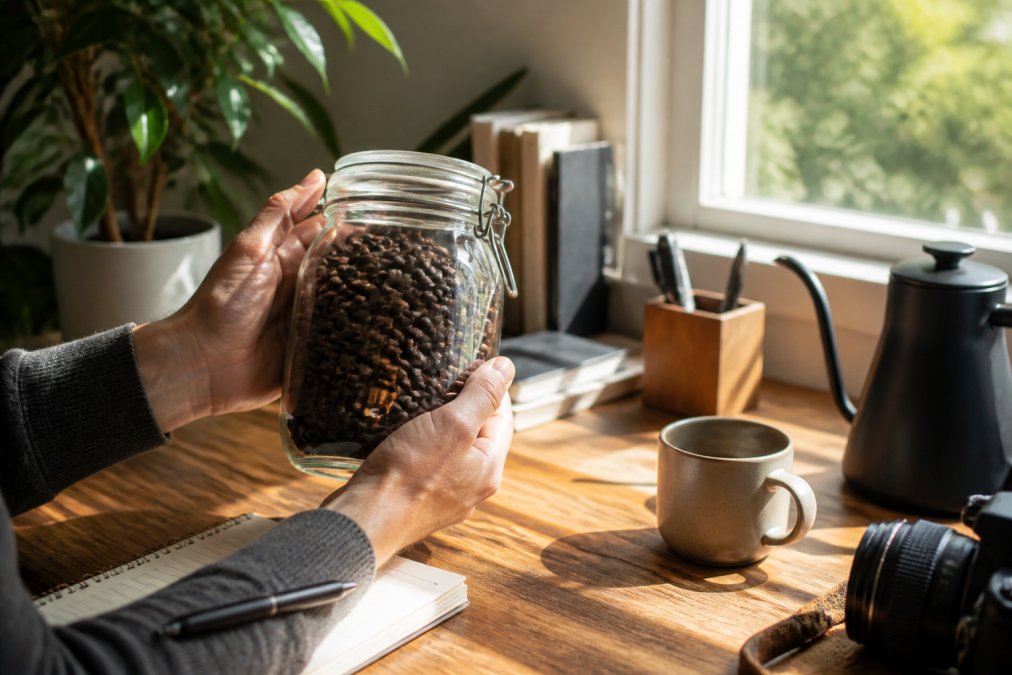
Dating your beans matters. Write the roast date on the container. This simple practice prevents mystery beans and helps you consume older stock first. A roast date tells you exactly how fresh your coffee is, unlike vague "best by" labels.
Vacuum-sealed bags work if you keep them sealed. Once opened, transfer beans to an airtight container. The original bag's valve allows carbon dioxide to escape but lets oxygen in, fine for sealed storage, problematic once opened.
Freezing whole beans is debated among coffee enthusiasts. Some argue it extends shelf life; others say temperature fluctuations cause condensation and degradation. The safest approach: store at room temperature in an airtight container and consume within four weeks. This eliminates the variables that come with temperature cycling.
Coffee Subscription Comparison Chart and Pricing
| Feature | Timeless Voices Coffee | Fresh Roasted Coffee | Koffee Kult |
|---|---|---|---|
| Roasting Method | Roasted to order, small batches | Roasted to order | Roasted to order |
| Bean Sourcing | Trusted farms worldwide, direct relationships | Quality-focused sourcing | Emphasis on bean selection |
| Variety Options | Blends, flavored, single-origin, sample packs | Range of roast levels and origins | Multiple roast profiles and varieties |
| Subscription Flexibility | Fast, reliable delivery with pause/skip options | Standard subscription model | Customizable frequency |
| Freshness Guarantee | Maximum flavor and aroma in every cup | Fresh roasted commitment | Quality consistency focus |
| Specialty Features | Wide variety for home office professionals | Roasting expertise | Customer choice emphasis |
Pricing varies across all three services and depends on quantity, roast level, and delivery frequency. Rather than state specific prices that may change, visit each service's website for current rates. Timeless Voices Coffee offers transparent pricing and delivery options on their site.
The comparison reveals that all three services emphasize roasting to order and freshness. The real differences emerge in sourcing philosophy, variety breadth, and subscription flexibility. Timeless Voices Coffee distinguishes itself through reliable delivery and the widest variety, making it ideal for home office professionals who value both consistency and exploration.
Quality Control, Sustainability, and Which to Choose
Quality control separates roasters that care from those that don't. Consistent roasting requires skill, equipment, and attention. A roaster that produces excellent coffee one month and mediocre coffee the next isn't controlling variables. Look for roasters that invest in their process and stand behind their product.
Small-batch roasting enables quality control. Larger batches are harder to monitor for consistency. When a roaster commits to small batches, they're signaling that quality matters more than volume. Timeless Voices Coffee's small-batch approach reflects this commitment.
Sustainability and ethical sourcing have become non-negotiable for many coffee drinkers. Direct trade relationships support farmers more fairly than commodity markets. Some roasters pursue certifications, Fair Trade, Rainforest Alliance, or direct trade verification. Others build direct relationships without formal certification. Both approaches can be legitimate; the key is transparency about how beans are sourced and what that sourcing means.
Fresh Roasted Coffee and Koffee Kult both address sourcing, but the depth of transparency varies. Timeless Voices Coffee sources from trusted farms worldwide, emphasizing relationships and quality. This approach supports both sustainability and flavor consistency.
Which service should you choose? Your decision depends on priorities. If freshness and variety matter most, Timeless Voices Coffee delivers both through roasting to order, sourcing diverse beans, and offering blends, single-origins, and samples. If you're committed to exploring specific roast levels or origins, Fresh Roasted Coffee's focused approach may appeal. If you want maximum customization in your subscription, Koffee Kult emphasizes customer choice.
For home office professionals specifically, the audience most likely to maintain a subscription long-term, Timeless Voices Coffee stands out. Fast, reliable delivery means you never run out mid-morning. The variety prevents subscription fatigue. The quality commitment ensures every cup justifies the premium price.
The real test: which service will you still be using six months from now? That answer depends on whether the coffee tastes consistently excellent and whether the subscription experience feels frictionless. Both matter equally.
Choosing between fresh roasted coffee services means weighing freshness, sourcing integrity, variety, and delivery reliability. Timeless Voices Coffee combines all four strengths, beans roasted to order from trusted farms, many blends and single-origins, and fast delivery to your home office. Start with a sample pack to explore the flavor profiles, then commit to a subscription that fits your consumption and schedule. The difference between fresh roasted coffee and grocery store alternatives justifies the investment in every cup.
Frequently Asked Questions
Is fresh roasted coffee actually better than store-bought?
Yes. Fresh roasted coffee retains more volatile flavor compounds and aroma that degrade over weeks. Beans roasted to order preserve the first crack and development notes that define specialty coffee. Store-bought coffee loses brightness and acidity within 2-4 weeks of roasting, resulting in a flatter, more bitter cup. The difference is most noticeable in single-origin, light-to-medium roasts where acidity and origin character matter most.
Does the roast date matter when ordering coffee online?
Roast date is critical. Coffee peaks in flavor 3-10 days after roasting and remains drinkable for about 4 weeks if stored properly. When ordering online, check the roast date on the package, not the ship date. Services that roast to order guarantee freshness within days of arrival. Beans roasted more than 6 weeks prior will taste noticeably stale, with muted acidity and lost aroma complexity.
What are the key differences between Koffee Kult and Fresh Roasted Coffee?
Both roast to order and source specialty-grade arabica beans, but they differ in sourcing scope and subscription flexibility. Fresh Roasted Coffee emphasizes direct trade relationships and micro-lot sourcing with detailed cupping notes. Koffee Kult focuses on consistent flavor profiles and broader roast variety for different brewing methods. Subscription models vary in pause flexibility and minimum commitments. Compare their current offerings on sourcing certifications and roast dates to match your preference for transparency.
Which coffee subscription offers the best variety for home offices?
The best subscription depends on your brewing method and flavor preferences. Services offering sample packs, single-origin rotations, and blend options suit remote workers who value variety and experimentation. Look for subscriptions with flexible pause options and the ability to customize roast levels, light roasts suit pour-overs and Aeropress, while medium and dark roasts work well for French press and espresso. Timeless Voices Coffee provides blends, flavored, and single-origin options with fast delivery, making it adaptable to changing home office routines.
This article was written using GrandRanker