

Single Origin vs Blend Coffee Explained: Key Differences
Table of Contents
- What Single Origin Coffee Actually Means
- What Makes a Coffee Blend Different
- Single Origin vs Blend Coffee: Head-to-Head Comparison
- Best Brewing Methods for Single Origin Coffee
- How to Taste Coffee Notes Like a Pro
- The Environmental Impact: Sourcing and Ethics
- Which Should You Choose for Your Daily Ritual?
- Conclusion
Last Updated: August 9, 2026
What Single Origin Coffee Actually Means
Single origin coffee comes from one specific geographical region, farm, cooperative, or micro-lot, while a blend combines beans from multiple sources. This distinction changes everything about the cup in your hand.
Single origin coffee is traceable to a single producer, estate, or defined growing region within one country. The appeal is transparency: you know the altitude, processing method, harvest cycle, and sometimes the farmer's name.
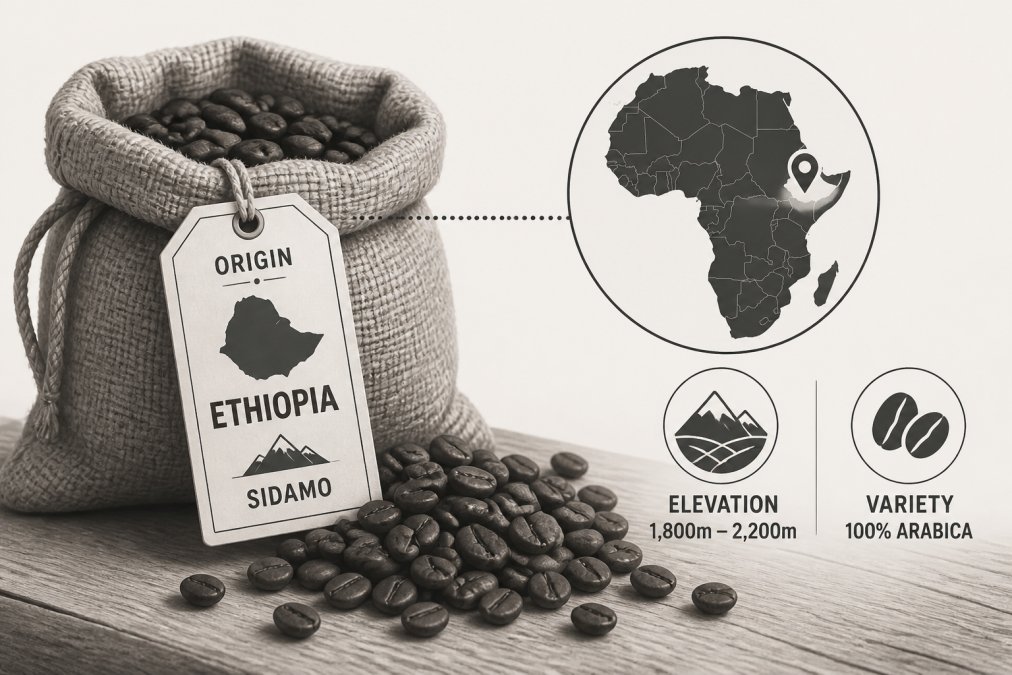
What makes single origin genuinely different is terroir, how soil composition, rainfall, altitude, and microclimate shape flavor. A washed Ethiopian Yirgacheffe grown at 1,900 meters tastes nothing like a natural process Colombian from a lower-altitude valley. Bean variety matters too. Within arabica, cultivars like Geisha, Bourbon, and Typica each carry distinct tasting notes.
Micro-lots, Terroir, and Traceability
Micro-lot coffee takes single origin further. A micro-lot is a small, separately harvested and processed batch from a specific farm section, often just a few hundred pounds, reflecting precise growing conditions rather than a farm-wide average.
Traceability signals quality backed by accountability. According to Specialty Coffee Association resources on coffee sourcing, direct trade relationships and transparent supply chains are increasingly central to how specialty roasters communicate quality to consumers. The trade-off? Micro-lots are seasonal. Once sold out, they're gone until the next harvest.
What Makes a Coffee Blend Different
The best blends in specialty coffee are engineered with as much intention as any single origin.
A coffee blend combines beans from two or more origins to achieve a specific, repeatable flavor profile. A roaster might pair a bright, high-acidity Ethiopian with a full-bodied Sumatran to create something more complex and approachable than either bean alone.
The real advantage of a blend is consistency. Because the roaster isn't dependent on a single harvest from a single farm, they can substitute origins when one crop underperforms without changing the cup's character. That predictability is why espresso blends dominate café menus worldwide. A skilled roaster building a blend essentially composes a recipe, adjusting how each origin contributes to body, acidity, sweetness, and aftertaste.
Single Origin vs Blend Coffee: Head-to-Head Comparison
The right choice depends on what you value most in a cup.
| Factor | Single Origin | Blend |
|---|---|---|
| Flavor Profile | Distinct, origin-specific | Balanced, multi-dimensional |
| Consistency | Seasonal, lot-dependent | High, year-round |
| Traceability | Farm or micro-lot level | Multiple origins combined |
| Best Brew Method | Pour-over, Chemex, AeroPress | Espresso, drip, French press |
| Price | Generally higher | Generally lower to moderate |
| Complexity | Terroir-driven nuance | Engineered complexity |
| Availability | Limited by harvest cycle | Continuous supply |
Flavor Profile and Complexity
Single origins reward attention. Tasting notes like jasmine, stone fruit, dark chocolate, or citrus zest reflect real compounds produced by bean variety, altitude, and processing method. A natural process Ethiopian develops fruity, fermented notes because the bean dries inside the cherry. A washed Kenyan gains clarity and bright acidity instead.
Blends offer different complexity. Rather than one origin's singular voice, a well-crafted blend creates conversation between origins. The brightness of one bean tempers the heaviness of another. Single origins can be polarizing, a very high-acidity Kenyan or funky natural process coffee isn't for everyone. If you're new to specialty coffee, a quality blend is often the better starting point.
Consistency, Seasonality, and Price
Seasonality is the factor most single origin guides skip. Coffee is an agricultural product with a harvest cycle tied to altitude and hemisphere. Ethiopian coffees typically arrive in the Northern Hemisphere market between October and January. Central American coffees peak from March through June. Buying single origin means accepting that your favorite cup has a season.
Blends sidestep this entirely. Because the roaster sources from multiple origins across different harvest windows, the blend stays available and consistent year-round. Price follows complexity of sourcing. Micro-lot single origins command higher prices because of limited supply and the premium placed on traceability. Blends, sourced from larger lots across multiple farms, generally cost less per pound.
Best Brewing Methods for Single Origin Coffee
The best brewing methods for single origin coffee preserve delicate flavor nuance. Pour-over, Chemex, AeroPress, and siphon brewing allow the coffee's natural acidity, body, and tasting notes to come through cleanly.
Espresso is possible with single origins but unforgiving. The high pressure amplifies every characteristic of the bean, including flaws. Most home baristas find single origins more satisfying through manual brew methods. French press suits medium to full-bodied single origins well, as the immersion method and metal filter preserve oils that enhance beans with natural sweetness and low acidity.
Brewing Parameter Adjustments by Origin
Not all single origins brew the same way. Adjusting parameters by origin type is one of the most overlooked skills in home brewing.
- Light-roasted African origins (Ethiopia, Kenya, Rwanda): Use 195-200°F water and a finer grind. Their dense, high-altitude beans need more heat and contact time to fully extract.
- Medium-roasted Central American origins (Guatemala, Costa Rica, Honduras): Standard parameters work well. A 1:16 water-to-coffee ratio and 200°F water produce clean, balanced cups.
- Natural process coffees: Grind slightly coarser to avoid over-extraction of fermented fruit compounds, which can turn from complex to muddy quickly.
- Low-altitude Indonesian origins (Sumatra, Sulawesi): These respond well to French press or cold brew. Their earthy, full-bodied character benefits from immersion brewing.
According to National Coffee Association brewing guidelines, water quality and temperature are among the most significant variables affecting extraction quality.
How to Taste Coffee Notes Like a Pro
Sensory training for coffee requires attention and a reference point.

The professional method is called cupping. Here's a simplified version that works at home:
- Brew your coffee using a pour-over or AeroPress with no additives.
- Smell the dry grounds before brewing.
- Smell the cup immediately after brewing, before tasting.
- Take a small sip and hold it on your tongue for two seconds before swallowing.
- Notice acidity, body, sweetness, and aftertaste.
- Compare what you taste against the SCA Coffee Taster's Flavor Wheel, which maps flavor descriptors by category.
Flavor compounds reveal themselves most clearly as the cup cools toward 130-140°F. Patience here pays off.
The Environmental Impact: Sourcing and Ethics
Single origin coffee, particularly direct trade and micro-lot sourcing, tends to support more transparent supply chains. When a roaster works directly with a specific farm, the farmer receives a higher percentage of the final price, and environmental practices are easier to verify.
Blends present a more complex picture. Because they draw from multiple sources, the ethical standards of each contributing farm vary. A conscientious roaster will vet each source, but the consumer has less visibility into the full chain.
Certifications like Fair Trade, Rainforest Alliance, and USDA Organic provide some accountability. Direct trade relationships, where the roaster visits farms and negotiates prices above commodity rates, often deliver better outcomes for farmers, according to Fair Trade USA's sourcing standards overview.
The environmental footprint also connects to processing method. Washed processing uses significantly more water than natural or honey process methods. For buyers concerned about water use, natural process single origins from water-stressed areas represent a lower-impact choice.
Which Should You Choose for Your Daily Ritual?
The answer ultimately comes down to three questions: Do you want to explore, or do you want to rely?
If your morning coffee is a ritual anchor, a well-crafted blend is the right choice. It will taste the same in January and July and won't surprise you on a Monday morning.
If coffee is a hobby or sensory experience you want to develop, single origins are where the real education happens. Each new origin is a geography lesson and flavor experiment. You'll taste how altitude affects acidity, how processing method shapes sweetness, and how bean variety creates signature characteristics.
For most people? Both. Keep a reliable blend for weekday mornings and explore single origins on weekends when you have time to brew carefully and pay attention.
Timeless Voices Coffee carries both categories, with beans roasted to order from trusted farms worldwide. Sample packs are a practical starting point if you're not yet sure which direction suits your palate.
| Drinker Type | Best Choice | Why |
|---|---|---|
| Espresso drinker | Blend | Consistency, body, crema |
| Pour-over enthusiast | Single Origin | Clarity, terroir, nuance |
| New to specialty coffee | Blend | Approachable, forgiving |
| Flavor explorer | Single Origin | Seasonal variety, traceability |
| Busy morning routine | Blend | Year-round reliability |
| Home cupping hobbyist | Single Origin | Sensory complexity |
Choosing between single origin and blend coffee gets easier the more you taste. The complexity of single origins rewards curiosity, while the reliability of blends suits anyone who needs their morning cup to simply work. Timeless Voices Coffee offers both, roasted to order with carefully sourced beans, so you get maximum freshness whether you're pulling espresso from a house blend or savoring a seasonal micro-lot pour-over. Explore the full range and find your daily ritual at Timeless Voices Coffee.
Frequently Asked Questions
Is single origin coffee better than a blend?
Neither is objectively better, they serve different purposes. Single origin coffee offers traceability, unique tasting notes, and a direct connection to a specific geographical region, making it ideal for curious drinkers who enjoy exploring flavor complexity. Blends are crafted for consistency and balance, delivering a reliable cup every time. Your preference depends on whether you want an expressive, seasonal experience or a dependable daily coffee that tastes the same year-round.
Is single origin coffee always more expensive?
Generally, yes. Single origin coffees, especially micro-lot selections, cost more because they come from limited harvests tied to a specific farm or region. Seasonal availability, direct trade sourcing, and the traceability involved all add to the price. Blends can spread cost across multiple origins, making them easier to price consistently. That said, a well-crafted specialty blend from a quality roaster can still carry a premium price compared to mass-market grocery store options.
What are the primary flavor differences between single origin and blends?
Single origin coffees tend to showcase distinct, origin-specific flavors, think bright acidity from Ethiopian washed beans, or heavy body and chocolate notes from a Sumatran natural process. These tasting notes vary with each harvest cycle. Blends are designed to balance acidity, body, and aftertaste into a smooth, rounded cup. Roasters combine beans from multiple geographical regions to create a consistent flavor profile that holds up across different roast levels and brewing methods.
How does the roasting process differ for single origin vs. blends?
Roasters typically tailor the roasting profile to suit each coffee type. Single origin beans are often roasted at lighter levels to preserve the nuance and terroir of the bean variety and processing method, over-roasting can mask those delicate notes. Blends may be roasted at medium to darker levels to unify beans from different origins into one cohesive flavor. Some roasters also roast blend components separately before combining them, allowing each origin to reach its ideal extraction point.
This article was written using GrandRanker