

Why Ethically Sourced Coffee Tastes Better
Table of Contents
- The Link Between Ethical Sourcing and Flavor Quality
- How Sustainable Farming Improves Soil Health and Bean Quality
- Benefits of Fair Trade Coffee for Farmers and Flavor
- Direct Trade vs Fair Trade Coffee: What Matters for Taste
- How to Identify Ethically Sourced Coffee When Shopping
- Harvesting and Processing: The Hidden Flavor Advantage
- Why Your Daily Cup Matters More Than You Think
Last Updated: August 19, 2026
The Link Between Ethical Sourcing and Flavor Quality
Ethically sourced coffee isn't just a marketing term, it's the foundation for superior flavor. When coffee farmers operate under fair wages, sustainable practices, and transparent supply chains, they invest more care into every stage of production, from soil management to harvest timing. This deliberate attention directly translates to bean quality and cup profile.
Farms committed to ethical practices typically employ selective harvesting, meaning workers pick only ripe cherries at optimal ripeness rather than stripping branches bare. This approach requires more labor, which is only economically viable when farmers receive fair compensation. A farmer earning poverty wages must maximize volume to survive; a farmer earning sustainable income can prioritize the beans that produce exceptional flavor.
Soil health compounds this advantage. Ethical farming operations often use shade-grown methods and agroforestry techniques that build soil structure over years. Rich, biologically active soil produces beans with greater nutrient density and more complex flavor notes. The subtle notes of chocolate, citrus, or floral that distinguish exceptional coffee begin in the soil. Depleted soil produces flat, one-dimensional beans.
The Specialty Coffee Association's research on sustainable farming demonstrates that farms using ethical practices report higher cup scores on average. When you choose ethically sourced coffee, you're choosing beans grown with intention, harvested with care, and processed with expertise.
How Sustainable Farming Improves Soil Health and Bean Quality
Sustainable agriculture transforms soil into a living ecosystem. Healthy soil contains billions of microorganisms that break down organic matter, fix nitrogen, and create bioavailable nutrients that coffee plants absorb. These nutrients become part of the bean's chemical composition, influencing acidity levels and flavor complexity.
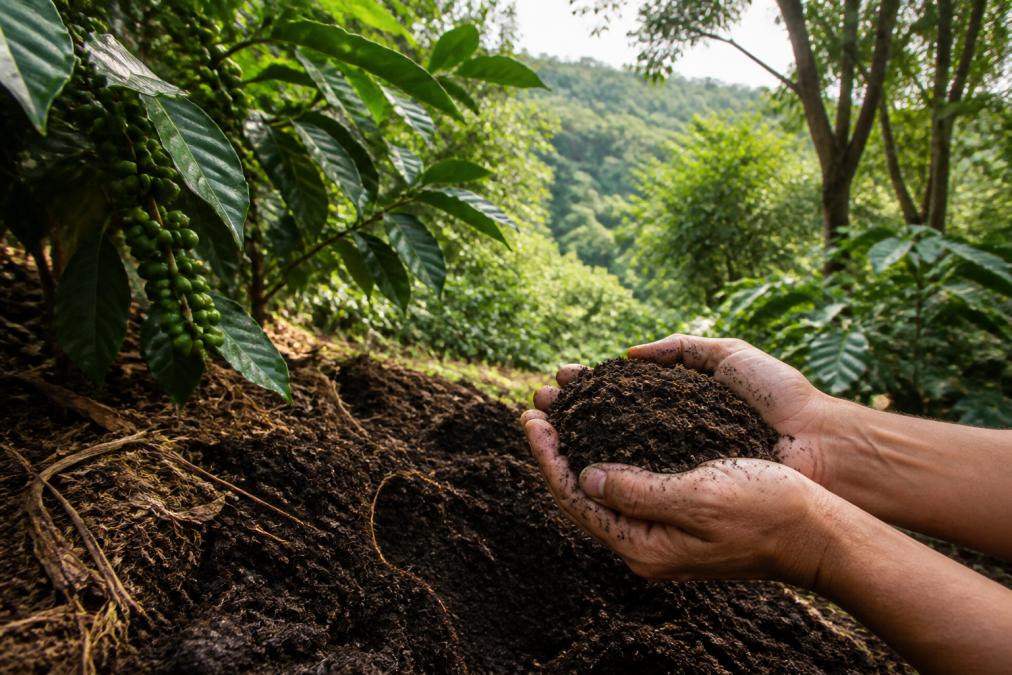
Shade-grown coffee farming exemplifies this principle. Rather than clearing forest for full-sun plantations, shade-grown operations maintain native trees alongside coffee plants. This preserves biodiversity, reduces water runoff, prevents soil erosion, and creates a complex ecosystem. Leaf litter from shade trees feeds soil organisms, and multiple plant root systems improve soil structure. Over time, shade-grown farms develop soil so rich they require fewer chemical inputs, and beans grown in chemically-light conditions develop cleaner, more nuanced flavor profiles.
Pesticide-free farming strengthens this effect. Synthetic pesticides kill the microorganisms that create soil health. Farms practicing organic or low-input agriculture allow beneficial organisms to thrive, improving nutrient cycling and plant resilience. Resilient plants produce beans with better quality and more expressive flavor characteristics.
Beans from sustainable farms consistently score higher in cupping evaluations. Professional tasters note greater clarity of flavor, more pronounced origin characteristics, and better balance between acidity and body, measurable differences in chemical composition driven by soil quality and plant health.
Benefits of Fair Trade Coffee for Farmers and Flavor
Fair trade certification guarantees farmers a minimum price floor, regardless of commodity market fluctuations. This economic stability transforms farming into a sustainable business. A farmer earning predictable income can invest in infrastructure, equipment, training, and soil improvement, all of which directly improve bean quality.
Fair trade programs typically include training components where farmers learn advanced processing techniques, soil management practices, and quality evaluation methods. A trained farmer who understands how fermentation time affects flavor can adjust post-harvest processing to enhance specific characteristics. Fair trade also creates accountability through audits that ensure workers aren't exposed to hazardous pesticides or dangerous conditions. Workers treated fairly are more engaged and invested in producing quality.
The flavor advantage compounds over years. A farm operating under fair trade standards for a decade has workers with deep expertise, carefully managed soil, and established relationships with quality-focused buyers. These conditions create the foundation for exceptional ethically sourced coffee.
Direct Trade vs Fair Trade Coffee: What Matters for Taste
Fair trade certification and direct trade are both ethical models, but they operate differently.
Fair trade works through certification bodies and standardized pricing. A coffee importer buys from certified cooperatives, and the certifier ensures compliance with labor and environmental standards. The farmer receives a guaranteed minimum price set by the certifier based on commodity costs plus a premium. This model scales well but prices are standardized rather than negotiated based on quality.
Direct trade eliminates the middleman. An importer or roaster buys directly from a specific farm, negotiates prices based on that farm's actual quality and practices, and often builds a long-term relationship. Direct trade prices are typically higher because they're based on cup score and supply scarcity rather than a standardized floor.
For flavor, direct trade creates stronger incentives for quality improvement. A farmer under fair trade receives the same minimum price whether their beans score 82 or 86. A farmer selling direct trade to a roaster who pays premiums for higher scores has a direct financial incentive to improve. However, fair trade reaches more farmers and creates more consistent social impact at scale. Neither model is inherently superior, both produce ethically sourced coffee that tastes better than commodity-grade alternatives.
Fair Trade USA's impact report on farmer livelihoods shows that certified farmers earn 30% more on average than non-certified peers, enabling the farming practices that create flavor distinction.
How to Identify Ethically Sourced Coffee When Shopping
Start by looking for certification. Fair Trade USA, Fairtrade International, and Rainforest Alliance certifications are third-party verifications that the coffee meets specific environmental and labor standards. These certifications appear on packaging and are traceable through the certifier's database.
Direct trade coffee is harder to verify because there's no single certifier. Instead, look for roasters who publish detailed information about their farms, names, locations, farmer contact details, and specific practices. Roasters committed to direct trade are transparent because transparency is their competitive advantage.
Single-origin beans indicate intentional sourcing. Blended coffees can hide mediocre beans from multiple sources. Single-origin coffees require the roaster to stand behind the specific farm and region, creating accountability.
Ask about traceability. Ethical roasters can tell you the farm name, region, altitude, and processing method. Timeless Voices Coffee provides this level of detail because transparency about sourcing is central to their business model. They roast beans to order from trusted farms worldwide, maintaining direct relationships with their sources.
Look at the roast date. Fresh-roasted coffee indicates quality focus. Roasters who roast to order optimize for flavor preservation, which typically correlates with overall attention to quality and sourcing.
Price is a practical indicator. Ethically sourced coffee costs more than commodity coffee because the farmer is paid fairly and the supply chain is transparent. Expect to pay a premium for quality and ethics. Pricing depends on quantity, dates, and delivery.
Harvesting and Processing: The Hidden Flavor Advantage
The moment a coffee cherry is picked, the flavor profile begins to develop. How and when it's harvested determines the starting point for all subsequent flavor development.
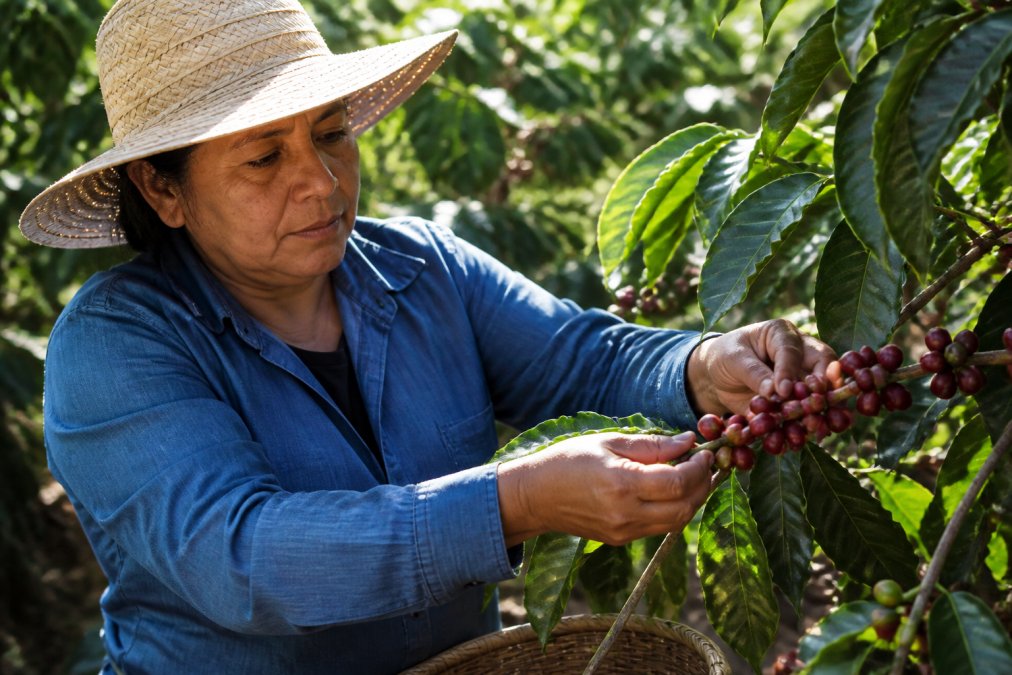
Selective harvesting means picking only fully ripe cherries, leaving unripe and overripe fruit for later passes. This requires multiple harvests per season and significantly more labor. Ripe cherries have higher sugar content and better flavor potential. Unripe cherries taste grassy and thin. Overripe cherries ferment too quickly and develop off-flavors. The difference between selectively harvested and strip-harvested lots is dramatic in the cup.
Post-harvest processing is where much of the flavor complexity develops. The two primary methods are washed (wet) and natural (dry) processing, each producing distinctly different flavor profiles.
Washed processing removes the fruit immediately after harvest, then ferments the bean in water for 12-72 hours. This fermentation allows the bean to absorb compounds that become part of its flavor chemistry. Fermentation duration, temperature, and water quality all influence the final cup. Washed coffees typically taste cleaner and brighter, with pronounced acidity and origin characteristics.
Natural processing dries the entire cherry with the bean inside for 3-4 weeks. As the fruit dries, the bean absorbs sugars and compounds from the cherry. This extended contact creates fuller body and fruitier, more complex flavor notes. Natural processed coffees taste heavier and sweeter, with less acidity and more pronounced fruit flavors.
The quality difference between careful and careless processing is enormous. Coffee processed with attention to fermentation time, water temperature, and drying conditions tastes clean and intentional. The same beans processed carelessly taste muddy and one-dimensional. Ethical sourcing correlates with careful processing because farmers paid fairly have time and motivation to do it right.
Why Your Daily Cup Matters More Than You Think
Your coffee choice is a daily decision about what you're willing to accept in your morning ritual. Choosing ethically sourced coffee means supporting farming practices that are sustainable, pay workers fairly, and produce superior flavor.
When you switch to ethically sourced coffee, the difference is immediate. The aroma is more complex. The flavor is clearer and more nuanced. The aftertaste is cleaner. These aren't subtle differences, they're the kind of changes that make you pause and actually taste what you're drinking.
This matters because your daily rituals shape your experience of life. If you work from home, your morning coffee is one of the few moments of intentionality you control. Choosing a coffee that tastes noticeably better transforms that moment from routine into a small indulgence. For remote professionals juggling back-to-back meetings, genuinely good coffee is a sensory break that restores attention.
Research on sensory experiences and daily wellbeing shows that small moments of quality and intention improve overall satisfaction with daily life. Your coffee choice is one of the easiest ways to add intentionality to your routine.
When you choose ethically sourced coffee, you're voting with your dollars for farming practices that preserve ecosystems, support farmer livelihoods, and produce quality. You're improving your own experience while creating market incentives for better practices across the industry.
Timeless Voices Coffee serves this exact purpose for people who want ethically sourced coffee without the research burden. They've already sourced from trusted farms worldwide, verified practices, and roast to order for maximum freshness. You get the flavor advantage and ethical assurance without becoming a coffee expert.
Frequently Asked Questions
What does it mean when coffee is ethically sourced?
Ethically sourced coffee comes from farms that prioritize fair wages for workers, sustainable agricultural practices, and environmental stewardship. This means farmers receive prices that reflect the true value of their work, use methods that protect soil and biodiversity, and maintain traceability so you know exactly where your beans originated. Ethical sourcing addresses both the human and environmental sides of coffee production.
What is the difference between direct trade and fair trade coffee?
Fair trade coffee meets certification standards set by third-party organizations, ensuring minimum prices and labor practices. Direct trade coffee involves direct relationships between roasters and farmers, often bypassing middlemen entirely. Direct trade typically offers higher prices to farmers and greater supply chain transparency, but requires roasters to invest in direct relationships. Both approaches improve quality, though direct trade often results in more distinctive flavor profiles because roasters work closely with specific farms.
Does sustainable farming really lead to better-tasting coffee?
Yes. Sustainable farming practices like shade-growing, crop rotation, and organic methods build healthier soil that produces beans with more complex chemical compounds. These compounds develop into richer flavor notes during roasting. Additionally, when farmers earn fair wages, they can invest in better harvesting techniques and selective picking of only ripe cherries, which directly impacts bean quality and cup profile. The connection between ethical practices and taste is measurable.
How can I identify ethically sourced coffee when shopping?
Look for certifications like Fair Trade, Rainforest Alliance, or Organic on the packaging. Check if the roaster lists the specific farm or region where beans were sourced. Reputable roasters provide information about their supply chain and farmer relationships on their websites. Single-origin coffees typically offer better traceability than blends. When in doubt, contact the roaster directly and ask about their sourcing practices and certifications, ethical brands are transparent about their sourcing.
The choice between ordinary coffee and ethically sourced coffee is straightforward once you taste the difference. Superior flavor, sustainable farming practices, and fair farmer compensation aren't competing values, they're interconnected. When you choose ethically sourced coffee, you're choosing all three at once. Start with a single-origin bean from a roaster you trust, brew it carefully, and notice what you've been missing. That moment of clarity in your cup is worth the premium.
This article was written using GrandRanker